
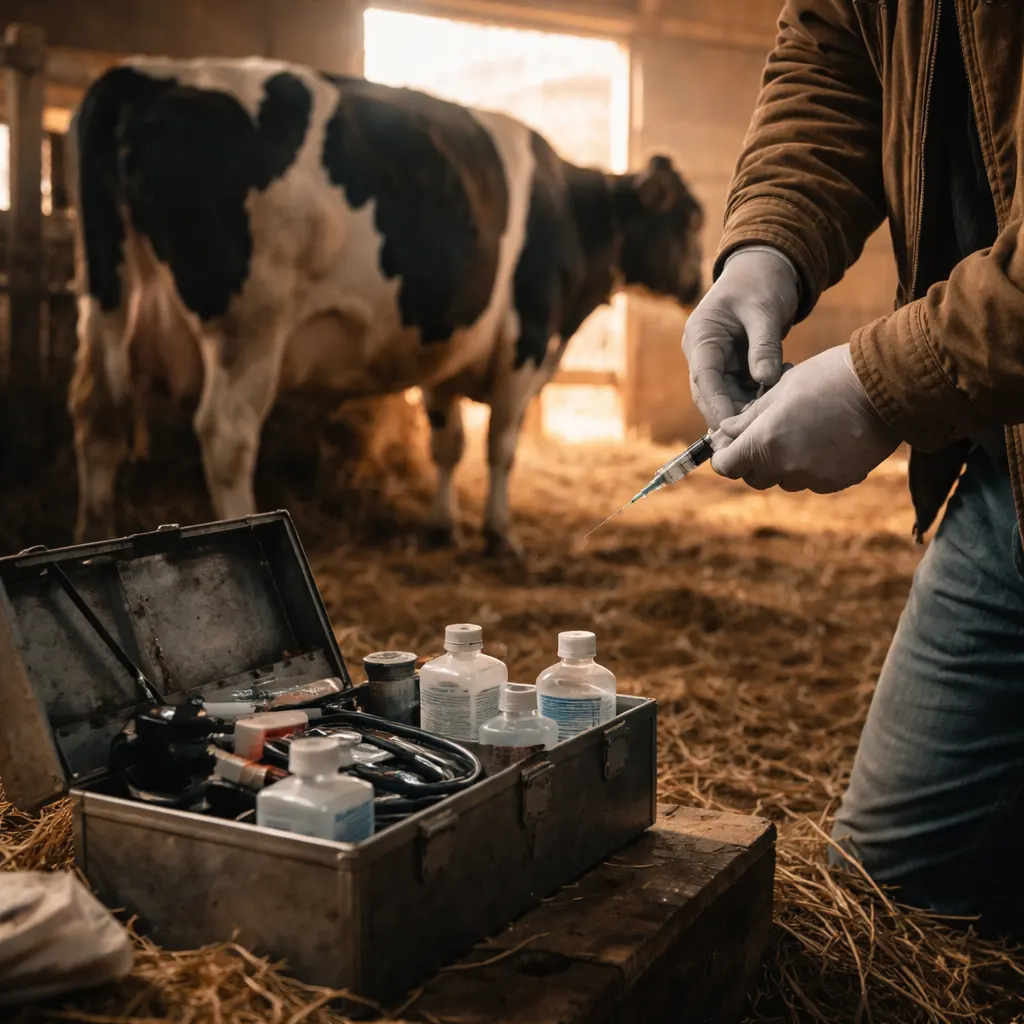
Washington state faces a severe and ongoing shortage of large animal veterinarians, leaving livestock owners without professional care during emergencies, according to a report published by the Washington Policy Center. The shortage has grown critical enough that state lawmakers passed a bill last year to study the problem and identify solutions. The report describes how farmers and ranchers are forced to perform emergency veterinary procedures themselves when predators attack their animals or other crises arise.
No tracking data exists to determine how many large animal vets currently practice in Washington, but the report notes the shortage prompted passage of EHB 1705, legislation requiring a study of the shortage and potential fixes. A final report was due June 30 of this year, but only an interim report appears available. State and federal regulations require veterinary prescriptions for all medically important antibiotics, medicated feeds, and prescription pain relief, with some requiring direct administration by a vet. When predators attack livestock, standard practice includes cleaning wounds and giving a single antibiotic dose to prevent infection, but without access to a large animal veterinarian, owners must rely solely on topical treatment.
The preliminary report identifies several reasons for the shortage: the difficulty of the work, long and isolated hours, and recent graduates' lack of familiarity with large animals. Retired large animal vets have also cited challenges making their practices profitable in both the short and long term, since livestock are often viewed as part of a farm operation rather than as pets. According to the report, Washington is one of just six states studied that doesn't offer a student loan repayment program for veterinarians, and the state provides no other incentives like grants for new facilities and equipment, access to outside resources, or expansion of veterinary medicine programs.
The shortage threatens Washington's food supply because farmers and ranchers can't keep their herds and horses healthy without professional veterinary care to prevent infection and disease. The report recommends Washington State University and the state explore offering daylong training courses through livestock associations to teach farmers basic veterinary triage, including hands-on experience cleaning and stitching wounds and caring for long-term injuries. Participants who pass could receive access to a veterinary kit with supplies like stitching needles, iodine, antibiotic ointment, pain medicines, and antifungal sprays. The report also calls for creating an online directory of practicing large animal vets with contact information, noting that quick access to this information can be the difference between life and death during emergencies.
Training farmers to handle routine care independently would free veterinarians to focus on true emergencies that happen daily across rural Washington. Building the incentives needed to attract large animal vets who can respond to those crises completes the solution. The report concludes now is the time to assemble these pieces to improve conditions for the state's livestock community.