
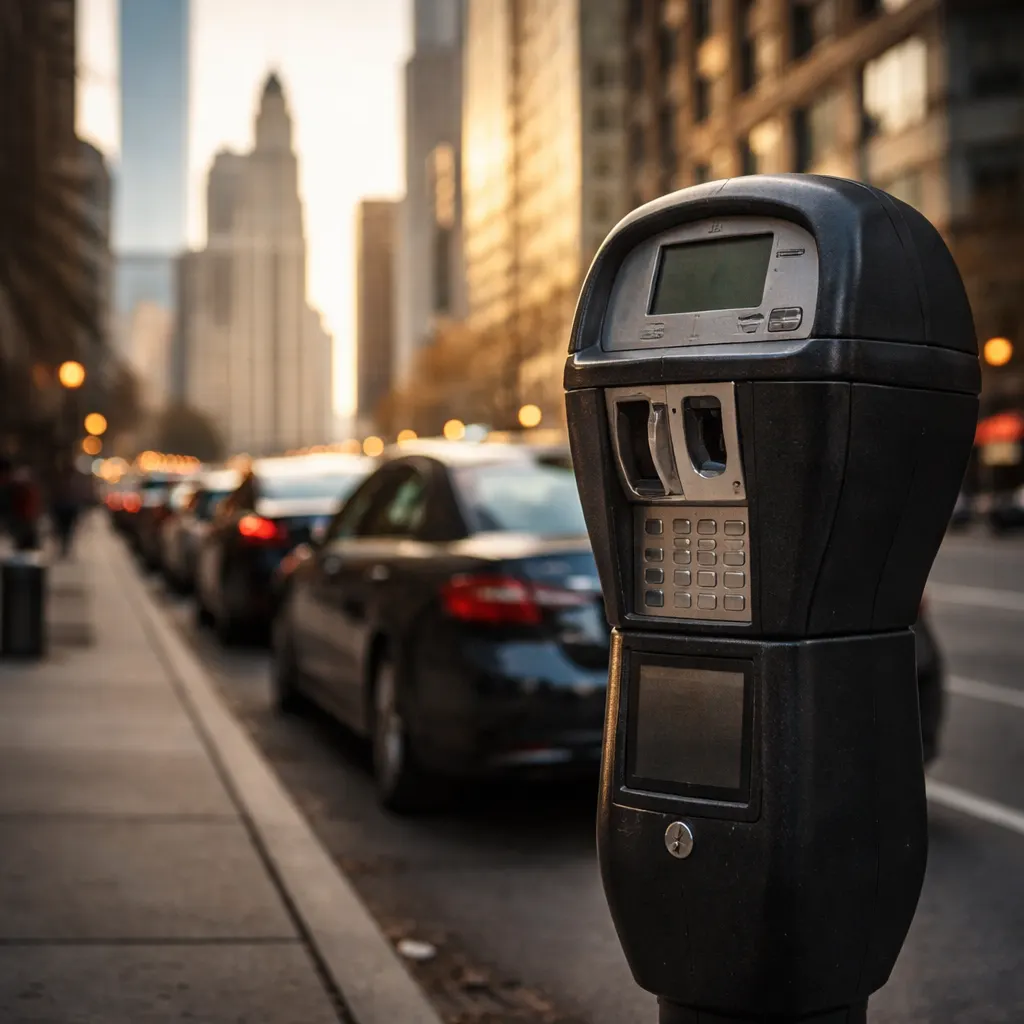
Chicago's City Council is set to approve a deal this week that will allow private investment firm Stonepeak to acquire the city's parking meter lease for $2.53 billion, according to a report from the Illinois Policy Institute. While the transaction improves on the original 2008 parking meter agreement, it still leaves Chicago collecting only a fraction of what the city would have earned had it never sold the rights in the first place. The report finds that aldermen plan to direct the added revenue toward the city's severely underfunded pension system, though the amount falls far short of what's needed.
Under the proposed agreement, Stonepeak will pay Chicago a one-time $75 million payment plus 5% of yearly profits through 2083, expected to bring in another $376 million over the next 57 years. That means the city stands to receive roughly $451 million total from the new arrangement. Meanwhile, Stonepeak is projected to earn more than $7.5 billion in profits from the parking meters during the remainder of the lease. The original 2008 deal saw then-Mayor Richard M. Daley sell the rights to approximately 36,000 metered spaces for 75 years to private investors for $1.15 billion during the financial crisis. By 2025, the lease owners had already generated about $2.2 billion in total revenues from the meters.
The report states that even if Chicago dedicates all $451 million in expected new revenue to its pension funds, it wouldn't cover the minimum actuarially required contribution for a single year. According to the Illinois Policy Institute, Chicago currently contributes $2.85 billion annually to its pension plans, but actuaries say the city needs to invest at least $3.35 billion per year to reach the goal of 90% funding. The report notes that Chicago's unfunded pension liabilities total around $36 billion, with a funding ratio of just 28%, "which is considered past the point of no return and on the way to insolvency."
The 2008 parking meter sale was driven by short-term financial pressures during the recession, when the city traded away decades of steady revenue for an immediate cash infusion. That choice has proven costly: the income Chicago gave up could have been used to balance budgets or reduce the city's sky-high property taxes, the report explains. Now, Stonepeak will continue collecting meter revenue for another 57 years unless it chooses to sell the rights again. The report argues that while the new deal's revenues would provide modest help with Chicago's ongoing pension crisis, they're insufficient on their own. The city must pursue broader solutions, including balancing budgets without depending on one-time windfalls, pushing for pension reform as the previous two mayors have done, and avoiding further increases to what it owes.
The parking meter saga illustrates the risks of making hasty decisions to escape self-inflicted fiscal problems, the report concludes. Chicago created its budget troubles through years of overpromising on pensions and underfunding them, then compounded the damage by selling off a long-term revenue stream for quick cash. Now, even as the city renegotiates slightly better terms, it's locked into a deal that will send billions to private investors over the next half-century while Chicago's pension crisis continues to deepen.