
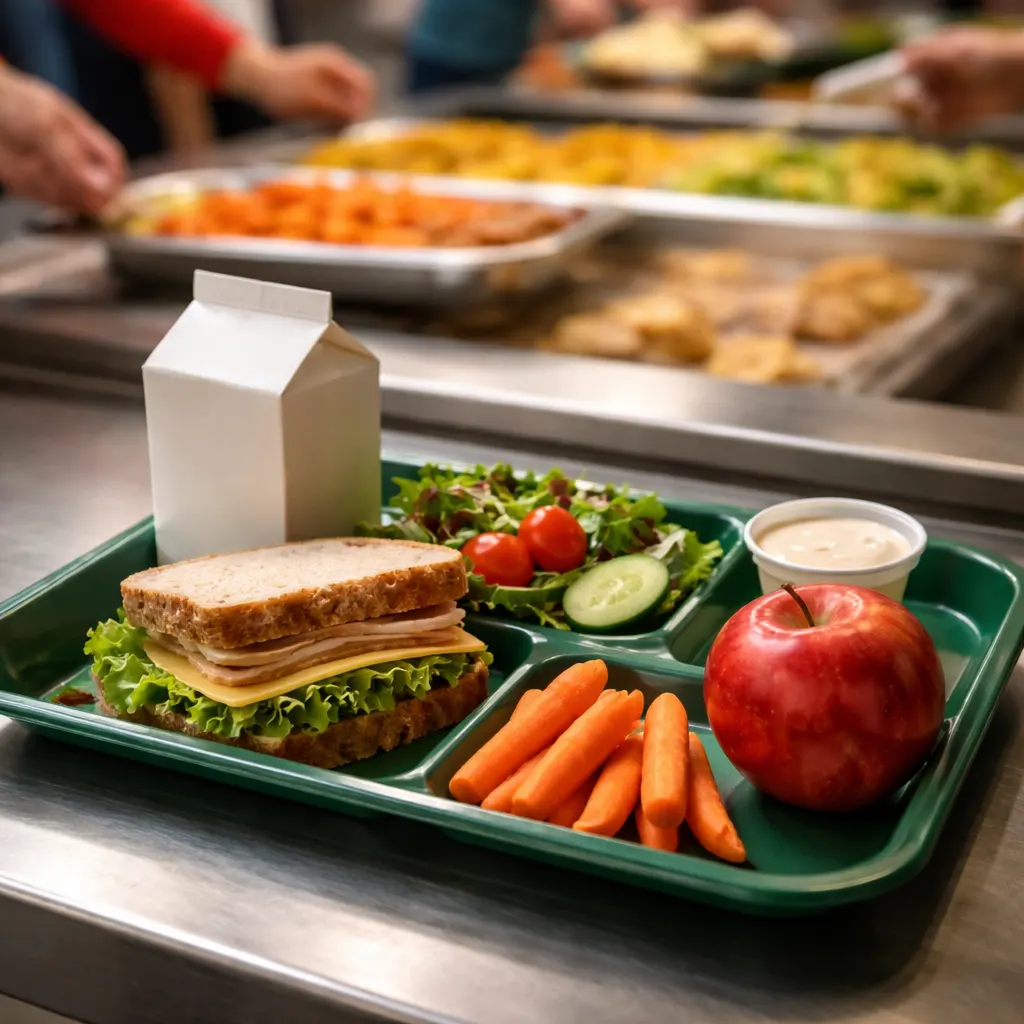
The number of students eating school lunch in Minnesota jumped 15 percent during the first year of the state's universal school meals program, according to new research from the University of Minnesota and The Food Group, published this week. The studies offer the first comprehensive look at how the initiative, which began providing free breakfasts and lunches to all students in fall 2023, has affected participation rates, family budgets, and school operations three years into the program. Gov. Tim Walz, who signed the law in 2023, called it one of the proudest achievements of his eight years in office.
Breakfast participation climbed even more sharply, rising 40 percent in the program's first year, data from the Minnesota Department of Education shows. State spending on school meals has increased from $277 million in 2024 to an estimated $306 million in 2026. The education department calculates the program has saved families a total of $1,000 per year per student. Before free meals were available, 34 percent of students who didn't qualify for free or reduced-price lunch had to skip meals, according to survey results from hundreds of Minnesota students. That figure was substantially higher for Black and Indigenous students and other students of color, 70 percent of whom skipped meals before they were offered at no cost.
The research found that 51 percent of families are worrying less about household budgets thanks to the program, while 60 percent of families are having easier mornings getting their students to school on time because they don't have to pack lunches and make breakfasts at home. "It's, without question, in my opinion, really, really helpful for families and students and parents alike expressing relief about not having the cost of meals being a factor," said Leah Gardner, policy director at The Food Group. Students reported reduced stigma in cafeterias and better concentration in class because they're getting enough food. One student shared that before the program, he pretended not to be hungry because he knew his mother couldn't afford the meal charges.
The program's success stems partly from reaching students who were just above the income threshold for subsidized meals but still struggling to afford lunch, according to researchers and state officials. The financial stability from guaranteed payment on every meal served has allowed school nutrition departments to invest in better equipment, higher staff wages, and locally sourced ingredients. In Moorhead, the program helped the nutrition services department emerge from financial crisis. In Rosemount-Apple Valley-Eagan, officials established a student panel that samples and advises on new menu items, resulting in popular additions like fresh-baked breakfast croissants and ramen with spiced meat and bok choy. But the surge in participation has created logistical hurdles: longer cafeteria lines mean students have less time to eat, a concern that came through clearly in student surveys.
Looking ahead, school officials and researchers expect the universal meals program will continue giving cafeteria staff the resources and time needed to keep improving food quality and variety. The higher participation rates create opportunities to rethink what school lunch can be and engage students more deeply in menu planning. "With the increase in meal participation, it gives us opportunities to think differently about what school lunch is and how we can engage students even more," said Spencer Fischer, nutrition services coordinator for the Rosemount-Apple Valley-Eagan district. Staff on the front lines have experienced "a renewed sense of pride and ownership" in their work, he added.