
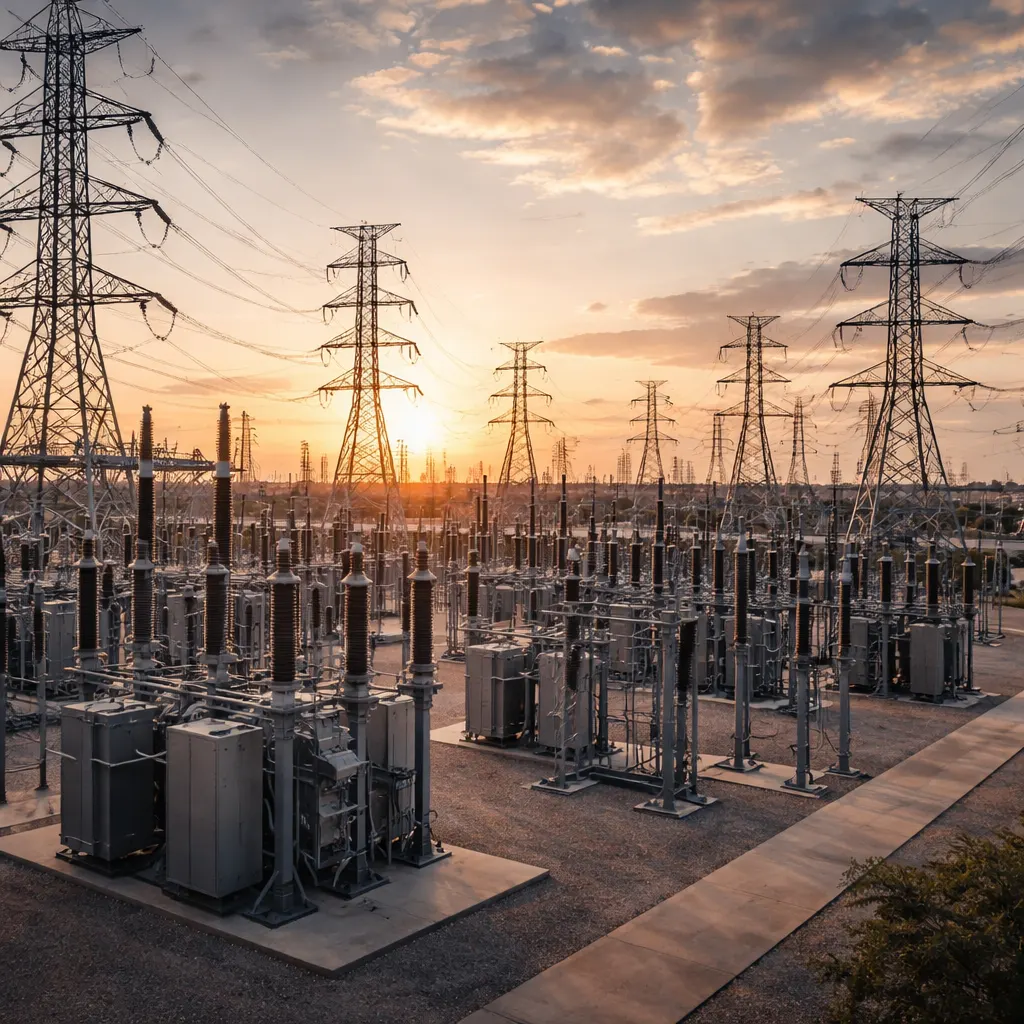
CenterPoint Energy has submitted over 17 GW of large load projects to the Electric Reliability Council of Texas' new interconnection process and anticipates 14 GW will qualify as base load or studied load, company executives announced during the utility's second quarter earnings call on Tuesday. The submission marks the first wave of projects—known as "Batch Zero"—to navigate rules approved by Texas regulators in June. The influx represents a dramatic shift in Houston's energy landscape, with CenterPoint forecasting that nearly all of these projects will be energized by the end of 2030.
The 14 GW figure would mean a more than 65% jump from CenterPoint's current Houston-area peak system demand of 21 GW, according to company officials. The utility is projecting 50% load growth by the end of 2029. Of the 14 GW total, roughly 10 GW of projects have received all necessary ERCOT studies and are eligible for base load designation, while the remaining 4 GW are positioned to qualify as studied load because they've secured approval for one of the two required studies. CenterPoint increased its 10-year capital investment plan by $1.2 billion, bringing the total to $66.7 billion through 2035. The company reported consolidated net income of $244 million for the second quarter of 2026, compared with $198 million in the same period of 2025. Beyond transmission-level demand, the utility anticipates an additional 2 GW of increased distribution-level demand over the next several years, driven by reshoring of advanced manufacturing and continued population growth in the Greater Houston area.
According to CEO Jason Wells, the 14 GW of projects are backed by signed facility extension agreements with long-term end-user commitments, approximately $900 million in customer cash commitments and deposits, and "clear line of sight to the materials execution capability and system capacity to serve." Wells told analysts that "based on projected load ramps sought by customers, we expect nearly all of these projects to be energized by the end of 2030." The remaining 3 GW of Batch Zero submissions "represent additional customer demand that is pending ERCOT approval of the required studies," the company stated. Wells noted that the utility expects the 14 GW of higher demand from large loads will generate residential and commercial savings exceeding $5 billion over the next decade.
CenterPoint's projections reflect the company's confidence that the combined base load and study load are well positioned to advance in the Batch Zero process, given the level of customer commitments already secured. The increased capital investment also accounts for higher costs around the utility's Downtown Houston Revitalization project. Wells emphasized that CenterPoint anticipates the growth will help keep utility bills affordable, with the large load expansion effectively spreading infrastructure costs across a broader customer base. While Texas remains CenterPoint's largest service territory—serving almost 2.8 million metered customers and dozens of retail providers—the company also sees the potential for "transformational" large-load opportunities in its Indiana electric territory, where it serves more than 150,000 customers in the southwestern portion of the state.
The company has already begun work to serve what Wells described as the "single largest load we serve in the region" in Indiana, and officials said they're engaged with multiple counterparties for additional large load projects in that area. The related investments required to serve these large loads would be incremental and outside the current base plan. Meanwhile, CenterPoint continues to navigate federal orders compelling it to operate the coal-fired F.B. Culley Unit 2 in Indiana through September 19, despite plans to retire the facility, with the utility filing for cost recovery mechanisms at both the Federal Energy Regulatory Commission and Indiana state regulators.