
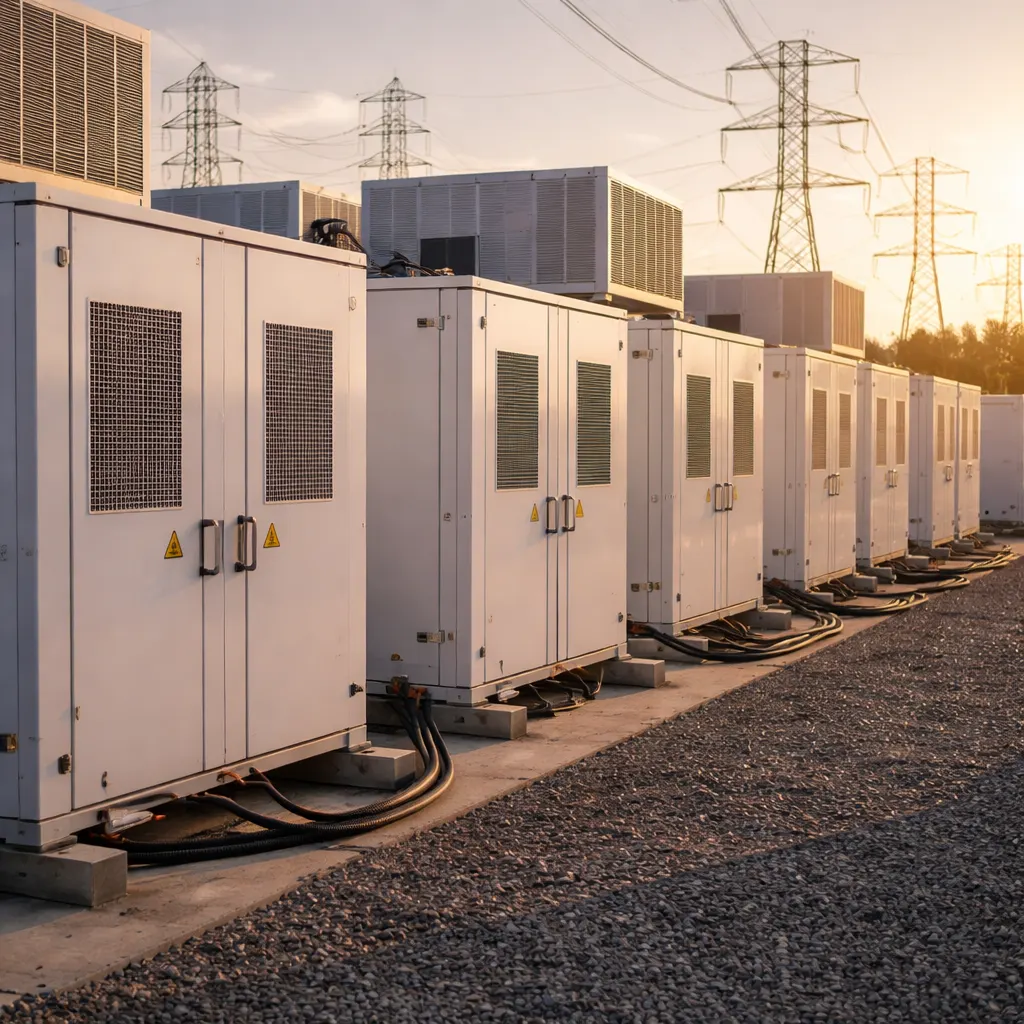
The Illinois Commerce Commission has approved Commonwealth Edison's proposal for a battery-based "scheduled dispatch virtual power plant," the Chicago-area utility announced last week. The program will discharge power from small batteries during high-demand events like the early-July heatwave that pushed PJM Interconnection demand to near-record levels. The approval represents the first major deployment under Illinois's Clean and Reliable Grid Affordability Act, which was signed in January after Illinois retail electricity prices rose more than 15% in 2025.
The Clean and Reliable Grid Affordability Act directs Illinois electric utilities to deploy 3 GW of energy storage by 2030 and develop virtual power plants that leverage distributed assets like residential and small commercial batteries, electric vehicle chargers, and HVAC controls. PJM's instantaneous load hit 162.7 GW on July 2, less than 3 GW shy of its all-time demand peak set in 2006. ComEd has connected approximately 1.8 GW of distributed energy resources to its grid. Program participants must commit to five consecutive seasons, each running from June 1 to September 30, and receive seasonal performance payments based on how much energy they inject into ComEd's distribution grid during peak events.
"The SDVPP program is an important step in bolstering the potential of customer-sited energy resources to make the grid more resilient during periods of peak demand while helping customers receive additional value for their support at a time when supply costs are rising," Andrew Plenge, ComEd's vice president of strategy and energy policy, said in a statement. Will Kenworthy, Midwest regulatory director for Vote Solar, called the program "exactly what Illinois lawmakers intended" when they passed the law last fall: "a way to quickly put distributed energy resources to work for the whole grid." Kenworthy praised ComEd for moving quickly to stand up the program, which he called "a model for how the clean energy transition can save people money."
The program replaces a previous, more limited virtual power plant proposal ComEd withdrew in November following passage of the Clean and Reliable Grid Affordability Act. Governor J.B. Pritzker signed the law in January, shortly after a U.S. Congressional report found Illinois retail electricity prices rose more than 15% in 2025. Illinois's grid is split between PJM and the Midcontinent Independent System Operator, both of which have seen sharp increases in capacity prices. The law contains other load management measures, including expanded energy efficiency programs and a requirement that utilities offer residential time-of-use pricing plans.
The approved program will discharge power from enrolled batteries during periods of high demand, helping shave load peaks that can strain the grid in the densely populated Chicago area. PJM noted it would likely have broken its 2006 record were it not for robust demand response participation during the July heatwave. The CRGA aims to increase distributed battery storage capacity across northern Illinois, the westernmost extent of the PJM Interconnection, amid increasing grid congestion and rising capacity prices. ComEd's scheduled dispatch virtual power plant offers customers a way to earn payments while supporting grid reliability during the summer months when heat drives electricity demand to its highest levels.