
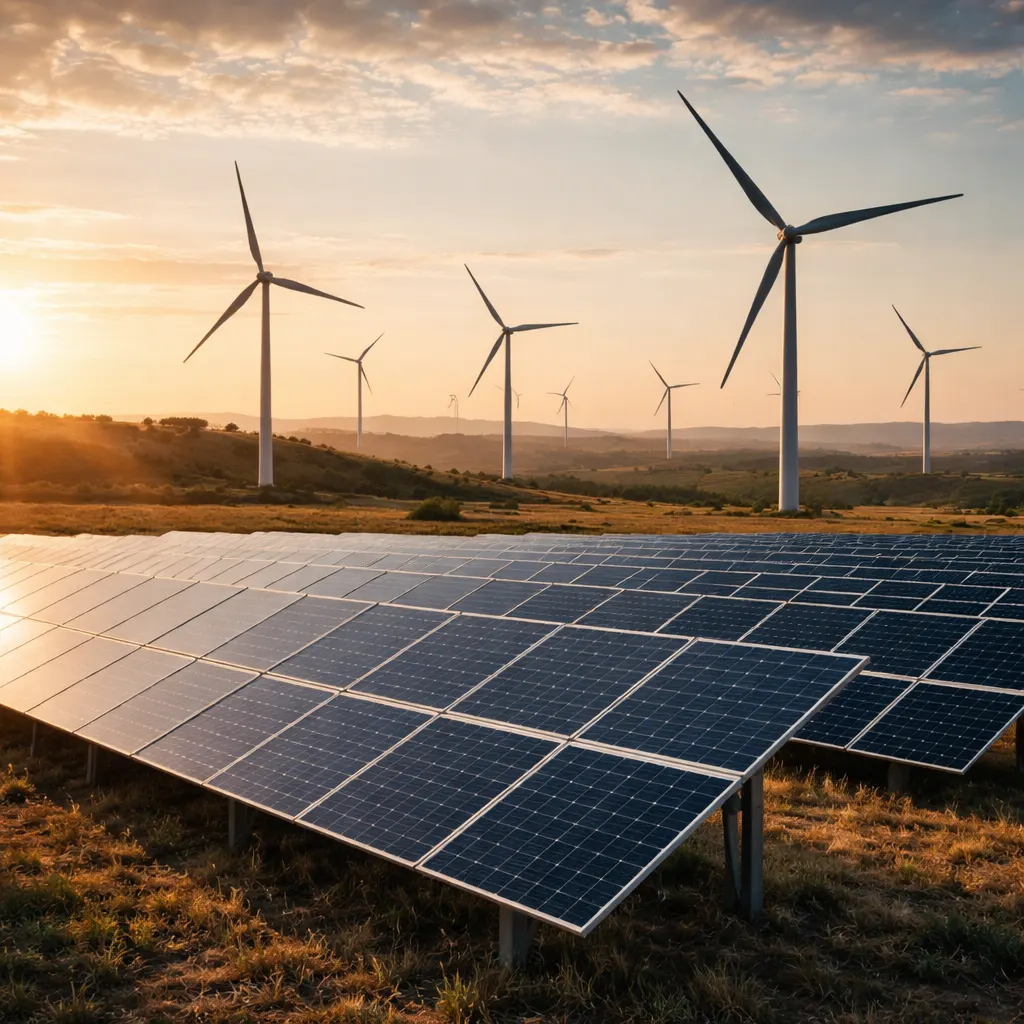
More than 2.5 terawatts of wind and solar projects will reach the end of their operational life by the 2040s, forcing owners to choose between abandoning sites, extending equipment lifespans, or installing entirely new systems, according to a Wood Mackenzie report published September 24, 2026. The decisions made at these aging facilities will shape renewable energy targets, electricity costs, and the economic viability of the broader energy transition, the analysis finds. With over 3.5 TW of global wind and solar capacity already operational, the wave of decommissioning represents a fundamental shift in how the renewables industry must plan for the future.
Decommissioning has already accelerated in the wind sector, with more than 30 GW of capacity taken offline worldwide by the end of 2026, two-thirds of which shut down between 2022 and 2026. Solar installations began large-scale deployment later than wind farms, but their aging fleet is projected to surpass wind decommissioning before 2040. In the 2040s alone, replacements from decommissioning will represent 44% of all wind installations and 23% of all solar installations globally, while some established European markets could see replacement activity exceed 70% of total installations. Equipment sales volume is forecast to climb more than 60% higher in 2050 compared to 2026, driven by the need to replace aging assets at scale even as the growth rate of net capacity additions slows.
The report warns that governments worldwide are setting renewable capacity targets without accounting for decommissioning, creating a blind spot that could make ambitious goals even harder to achieve. The European Commission has set a target of 500 GW of wind power by 2030, requiring roughly 37 GW of annual additions between 2023 and 2030, but Wood Mackenzie forecasts that 17 GW will be decommissioned in that same period, meaning the bloc must add an extra 2 GW per year on average simply to offset losses, on top of a build rate it's already failing to meet. "We are entering a new chapter in the energy transition, one defined not just by power demand growth, but by renewal," said Søren Lassen, Head of Wind at Wood Mackenzie. "Without installations replacing decommissioned projects, global wind and solar deployment would continue to decline year-on-year."
Repowering existing sites offers a compelling economic advantage because locations already have grid connections, planning approval, and community acceptance, allowing new equipment to reach the market faster than greenfield projects while bypassing the queue and permitting delays that have slowed new development in many markets. The quality of established sites makes that advantage significant: in Germany, wind speeds at sites decommissioned so far this decade are 4% higher on average than those at greenfield projects coming online, with the gap reaching as wide as 30%, and a 4% increase in wind speeds translates into roughly 7% higher capacity factors and 7% lower levelized cost of energy. In Germany, the increased power output from repowering existing sites with new modules and turbines could reduce power prices by between 12% and 19% in the 2040s, creating material downside risk for asset owners whose projects will have moved off long-term contracts and onto merchant revenues or corporate power purchase agreements by that point.
The full impact of this shift arrives in the 2040s, but the decisions that will determine readiness are being made now, the report concludes. Governments that ignore decommissioning in their targets will miss them, suppliers that don't plan for replacement demand will be caught short, and asset owners who don't factor repowering into long-term power price forecasts risk fundamentally misjudging the revenue environment they'll be operating in, according to Lassen. A growing number of developers are already acquiring operational projects in prime locations, decommissioning the existing equipment, and installing entirely new projects on the same site, a trend becoming increasingly common in markets like Europe and the US where land availability, grid capacity, or planning approval for new development is constrained.