
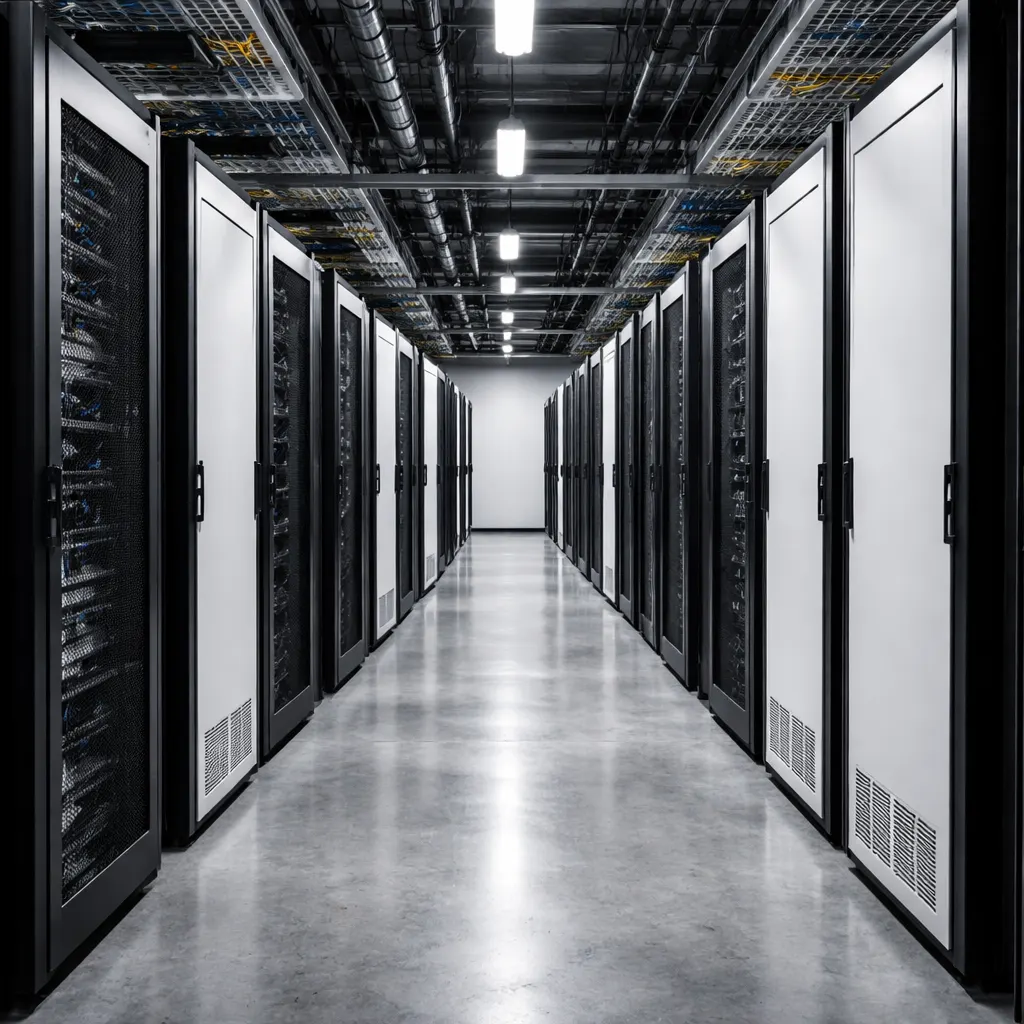
Wisconsin trails far behind states like Virginia and Ohio in both the number and scale of data centers, even as three major hyperscale facilities are currently being built in the state, according to a new Wisconsin Policy Forum report published this week. The report examines unresolved challenges around data center development, particularly how to shield residents from rising transmission costs and property taxes. While these facilities can bring multi-billion-dollar investments and substantial employment to communities, the report finds significant local opposition and fiscal concerns remain.
Peak electricity demand in Wisconsin is projected to climb by more than 5 gigawatts between 2024 and 2030, driven largely by data centers, according to the latest state forecasts cited in the report. A Microsoft facility is already operational in Mount Pleasant, while construction continues in Port Washington and Beaver Dam. An August Marquette University Law School poll found 78% of registered Wisconsin voters believe large data centers' costs exceed their benefits, with just 21% holding the opposite view. Some communities have blocked construction entirely, either rejecting specific proposals or imposing blanket moratoriums.
The report identifies electricity as arguably the single biggest challenge for large data centers and the single biggest issue facing policymakers. The Policy Forum reviewed agreements between developers and the communities of Mount Pleasant, Port Washington, and Beaver Dam, plus two locations where proposals were canceled: Janesville and DeForest. In general, the Forum found communities negotiating reasonable deals with fiscal safeguards. However, state law creates difficulties for local officials trying to protect existing taxpayers when developments require significant tax increment finance spending on infrastructure or developer incentives.
The report explains that under current law, existing property owners could face initial tax increases despite the possibility that once the TIF district closes, residents' taxes might drop to prior levels or even lower. The question of who pays for added grid capacity to serve these centers remains unresolved. The report also notes that while Wisconsin offers data centers a state sales tax exemption similar to treatment given to manufacturing and other industries, the cost of these forgone tax revenues is substantial. The national data center boom, fueled by recent artificial intelligence technological advances, makes these fiscal and infrastructure questions increasingly urgent for Wisconsin communities weighing whether to welcome or reject proposals.
The Policy Forum concludes by presenting a menu of options for state and local policymakers to address the issues highlighted. Local officials may hold leverage in negotiations since rejection is a credible risk, given widespread voter skepticism. The report seeks to ground debates in facts about impacts on local government finances, regional economies, and the energy grid rather than broader questions about the technology itself.