
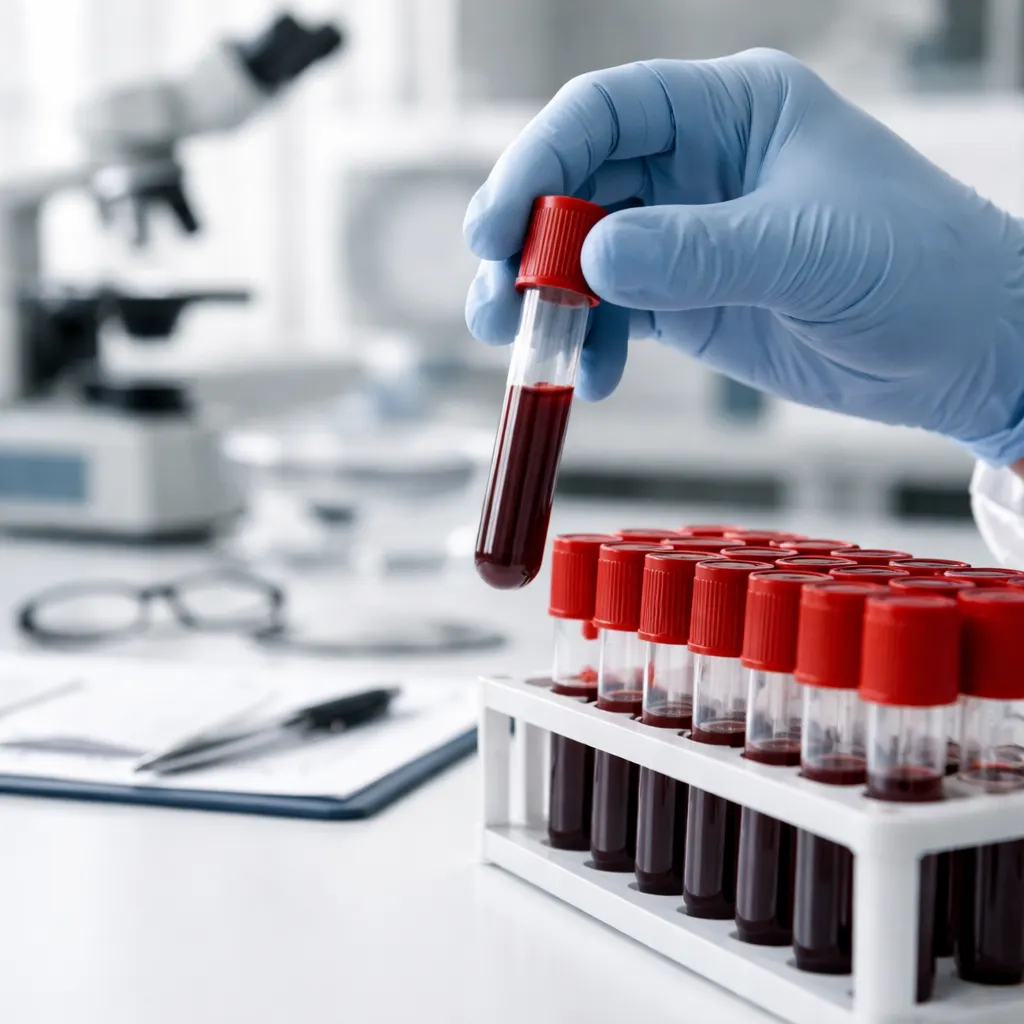
For the first time, ultra-sensitive laboratory equipment can now detect Alzheimer's biomarkers in blood that were previously found only through spinal fluid testing, according to a new report from the Milken Institute's Future of Aging initiative published in March 2026. These FDA-cleared blood-based biomarkers open the door to scalable, minimally invasive, and cost-effective early detection of the disease. But the report's central finding is stark: the health-care system isn't ready to use them.
To assess whether clinics, insurers, and providers are prepared to adopt these breakthrough diagnostics, the Milken Institute interviewed 32 experts, surveyed 22 stakeholders across six segments, analyzed academic and grey literature, held a patient focus group, and conducted a five-category Readiness Ranking Survey. The research, titled "Advancing Blood-Based Biomarkers for Alzheimer's and Cognitive Care," examined barriers and accelerators to widespread adoption across the health-care ecosystem.
The report identifies the top barriers preventing blood-based biomarker adoption and highlights four real-world examples of health systems that have successfully embedded these tests into cognitive care. It also includes a case study examining coverage changes for genetic testing as a model for how payers might approach reimbursement for Alzheimer's blood tests. According to the authors, dementia science has advanced at a remarkable pace, transforming Alzheimer's from a condition defined largely by late-stage symptom recognition into one that can increasingly be detected and addressed earlier. The report notes that for the first time in health care's long search for answers on Alzheimer's disease, there are now two reasons for hope: simple, accurate diagnostics and approved treatments that slow progression.
The arrival of blood-based biomarkers matters because it removes one of the biggest obstacles to early Alzheimer's detection: the need for invasive spinal taps or expensive brain imaging. The report explains that these new tests use nothing more than a standard blood draw to detect the same proteins and markers that signal Alzheimer's pathology in the brain. This breakthrough makes screening accessible to primary care offices, not just specialty neurology centers. But the technology alone isn't enough—without readiness across payers, providers, and patients, adoption will stall. The report warns that gaps in training, reimbursement policies, and care coordination could delay the benefits of early detection for years.
The report delivers concrete recommendations for stakeholders to make blood-based biomarkers the new standard of care. It outlines what payers, health systems, primary care providers, and policymakers each need to do to close the readiness gap. The bottom line: the science has outpaced the system, and now the system needs to catch up before millions of people who could benefit from early detection miss their window.