
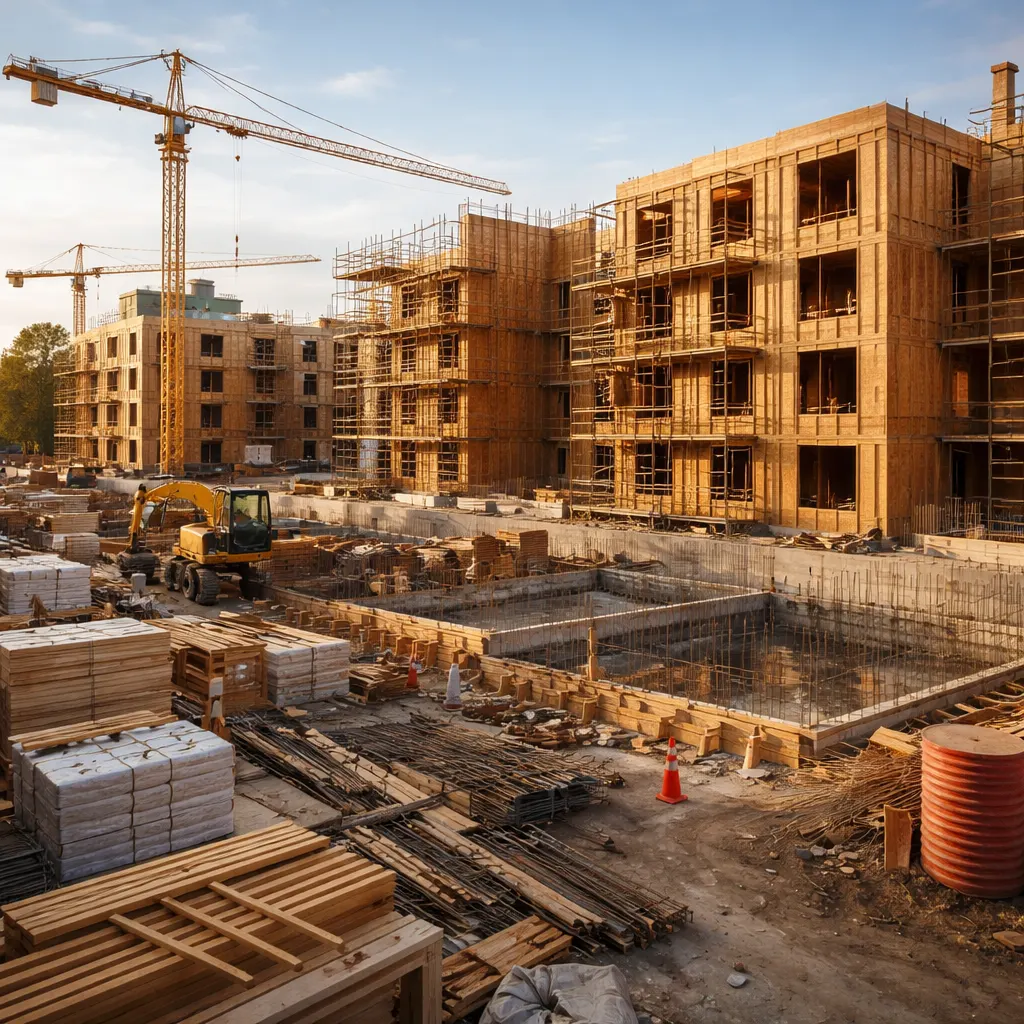
Policies requiring developers to reserve low-income units or pay substantial fees slash housing construction by as much as one-third, according to a July study from the University of California Irvine. The research examines "inclusionary zoning," regulations that force builders to set aside affordable housing or make large payments to local governments before projects can move forward. An analysis published by the Pacific Research Institute argues these mandates work against their stated purpose, making home construction costlier and scarcer rather than expanding affordable options.
The report highlights a September 2024 case in San Luis Obispo, where three investors planned to replace a single deteriorating house with four new homes, each featuring an additional dwelling unit. The project would have created eight residences where only one existed. Instead, the city imposed an inclusionary housing fee approaching $100,000, leaving the developers two options: pay the penalty or hand over one home to be sold at half its market value to city-selected buyers. The men paid the fee, then filed a lawsuit through the Pacific Legal Foundation challenging the policy's constitutionality. The city had enacted the requirement specifically to address high housing costs, according to the foundation representing the plaintiffs.
The lawsuit contends the fee violates constitutional protections against government takings without just compensation. According to the filing, cities can't legally "abuse" their permitting power to extract money from developers for problems those builders didn't cause. The foundation argues the only acceptable conditions are those addressing public issues created by the development itself—and the investors were solving a housing shortage, not creating one. The report characterizes the arrangement as "classic extortion," with developers forced to fund political objectives in exchange for permission to build a product in high demand, even though these programs fail to deliver promised results.
The analysis traces the failure to basic economics: adding costs to production reduces output, regardless of the sector. Housing markets function best when producers have incentives rather than penalties, the report argues. It suggests San Luis Obispo's true motivation isn't affordability but discouraging growth to preserve the city's character and keep newcomers out. The report notes that while California has passed dozens of housing bills, significant new construction hasn't followed because the legislation carries political mandates that undermine market forces. It points to San Diego County outpacing Los Angeles County in building as evidence that even modest steps toward market freedom produce results.
The report calls for rolling back inclusionary zoning if California wants to boost housing production, arguing the policies primarily exclude new homes rather than create affordable ones. While full market liberalization seems unlikely in the current political climate, the analysis identifies November's Proposition 45—a ballot measure to streamline environmental review projects—as offering hope for broader reform. The bottom line: governments can't make housing affordable by making it expensive to build.