
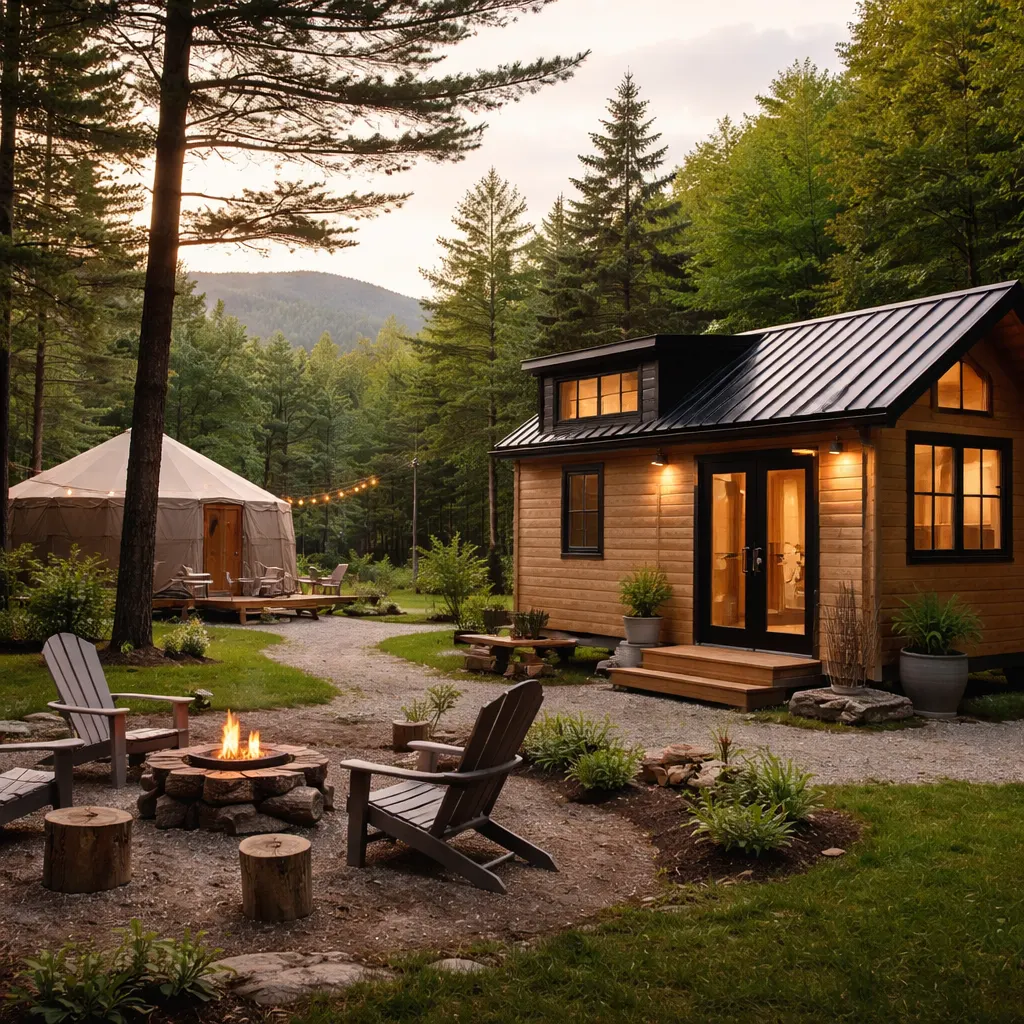
New Hampshire Governor Kelly Ayotte recently signed HB 1681, establishing a legal structure for alternative housing types including tiny homes, tiny homes on wheels, and yurts. Americans for Tax Reform, which published an analysis of the legislation, says the law grants Granite State residents the clear authority to construct and occupy these unconventional dwellings on property they own. The law defines a tiny home as a freestanding structure meant for permanent living that measures under 600 square feet and meets state construction standards, while tiny homes on wheels must sit on a trailer frame and can't qualify as recreational vehicles.
The legislation arrives as New Hampshire's zoning rules create significant barriers to affordable housing. According to an examination of 247 local governments, 62% of areas zoned for single-family residences mandate minimum parcel sizes of at least 80,000 square feet—close to two acres. The report notes that 85% of land designated for single-family housing places restrictions on accessory dwelling units, ranging from public hearing requirements and occupancy limits to complete prohibitions. These regulations essentially compel builders to construct large houses on expansive lots.
The report finds that HB 1681's most direct advantage is widening the spectrum of residential choices available to New Hampshire residents. By creating legal definitions for tiny homes, tiny homes on wheels, and yurts, people gain greater ability to select smaller, less expensive places to call home. The law permits these alternative structures to function as accessory dwelling units, meaning they can sit on the same property as a main residence. According to the analysis, establishing a legal framework for these housing types makes projects easier to launch because lenders gain clarity about which regulations apply, allowing financial institutions to better structure mortgages and loans.
The report explains that current zoning laws price many buyers out of the market by making smaller homes nearly impossible to build, which also prevents residents from downsizing and keeps larger houses unavailable for younger families who need them. With legislation that loosens housing market restrictions and promotes more efficient options, empty nesters, divorced individuals, and retirees who no longer require spacious homes can downsize and sell while saving thousands in property taxes, the report states. As these residents vacate traditional single-family houses, young families and those previously shut out can access more choices. The increased supply can lead to more efficient use of limited resources and push housing costs downward.
While the report acknowledges that HB 1681 won't immediately solve New Hampshire's housing challenges and some people won't want to live in tiny homes or yurts, it emphasizes that those who do should have the option. The analysis notes that future rulemaking will probably need to address how these units are taxed, particularly given the portable nature of tiny homes on wheels. The report also points to additional reforms that could further expand housing supply, including Senate Bill 84's proposed maximum residential lot sizes and reviving HB 685 from the previous session, which would have allowed all manufactured homes. For now, the report says, the law delivers more housing options and more freedom to New Hampshire residents.