
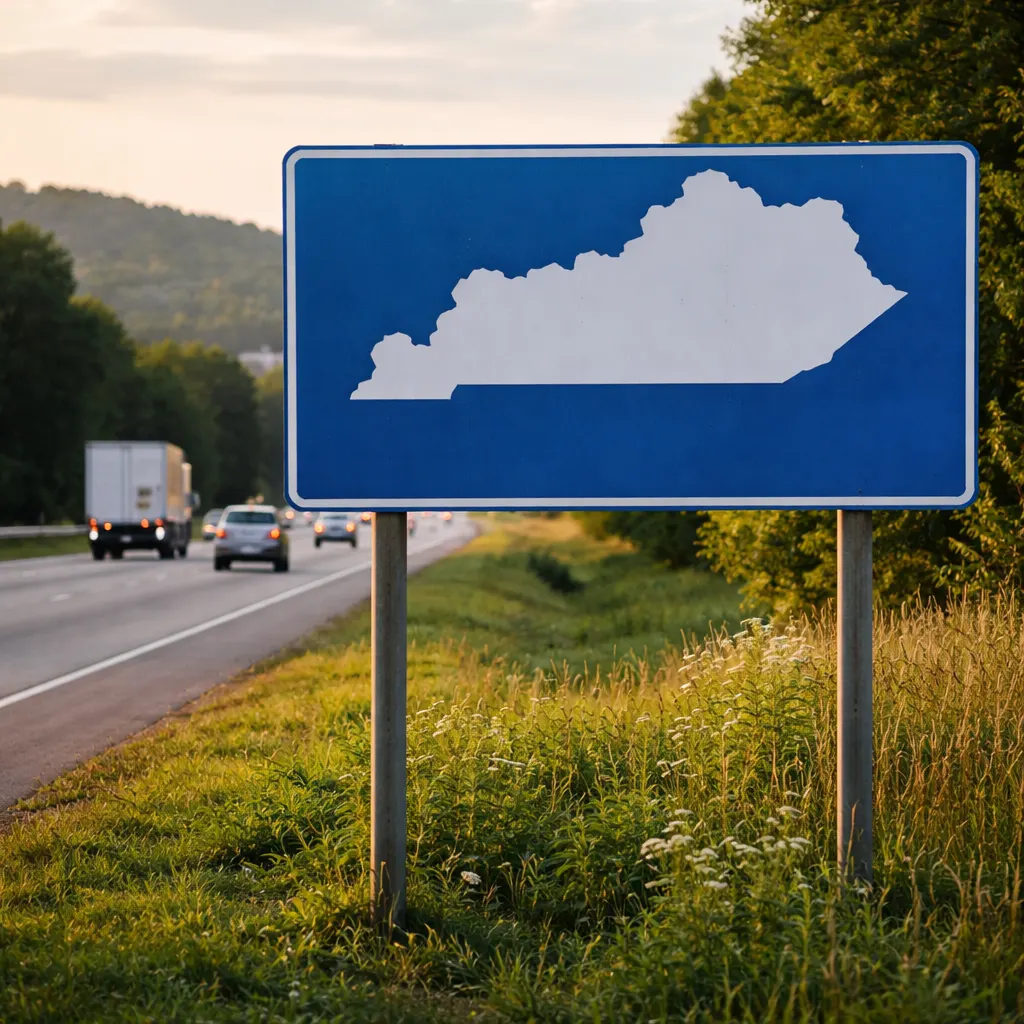
Kentucky's population grew by 22,800 people between 2024 and 2025, marking a 0.5% annual increase that's larger than the entire population of the city of Radcliff. According to a report updated July 6, 2026, by USAFacts, the growth reflects a decade-long trend that's added 3.7% to Kentucky's population since 2015. The state has increased in population every single year since 2000, though at varying rates.
The 22,800-person gain came despite natural population decline — deaths exceeded births by 83 in Kentucky during the year. Immigration made up the bulk of the growth, with about 15,700 more people arriving from other countries than leaving. Domestic migration added another 7,300 residents, as more people moved to Kentucky from other states than left for elsewhere. The state's largest single-year gain this century occurred between 2006 and 2007, when it added 37,400 residents, while the smallest increase came between 2020 and 2021 with just 77 new residents.
At the county level, Warren County led Kentucky in raw numbers, welcoming 2,809 new residents, while Christian County lost the most with 1,321 fewer people. Nicholas County topped the state in percentage growth at 2.5%, while Union County ranked last with a 2.2% decline. Among Kentucky's 120 county equivalents, growth patterns varied widely across the state.
The report explains that a state's population is influenced by three factors: natural population change from births and deaths, international immigration, and domestic migration between states. Kentucky's growth hinged entirely on people moving in — without the combined 23,000 residents gained through immigration and interstate moves, the state would have shrunk slightly due to more deaths than births. Changes in population reflect birth and death rates, immigration patterns, regional shifts, and even the overall health of the economy, according to the report.
Compared to national trends, Kentucky's 3.7% population growth between 2015 and 2025 lagged behind the US average of 6.2%, ranking the state 29th among all states for population growth over that decade. The data shows Kentucky's growth is real but modest, sustained by people choosing to move there rather than by natural increase. With immigration and domestic migration driving every bit of the state's expansion, Kentucky's demographic future depends on whether it can keep attracting newcomers faster than residents age and pass away.