
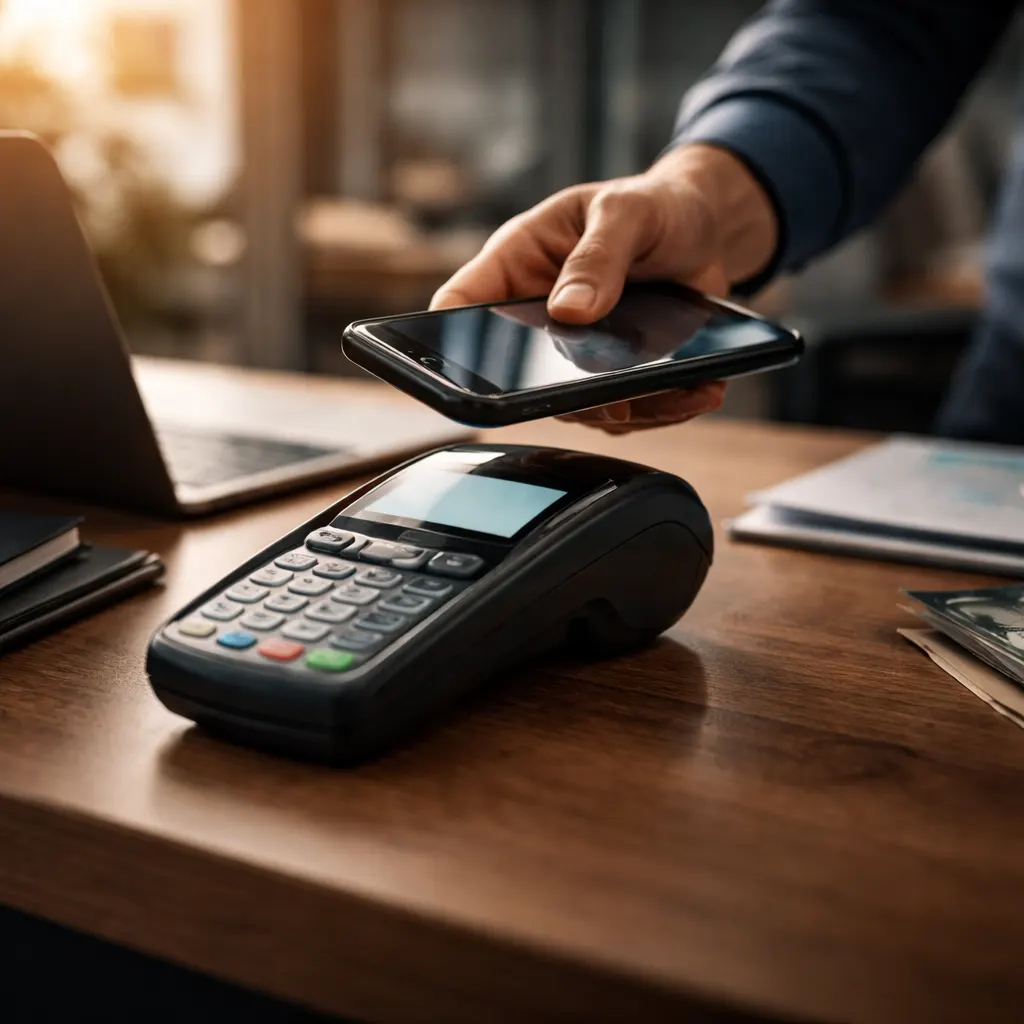
Americans are making roughly the same number of payments they did a decade ago, but the explosive growth of digital methods has created new vulnerabilities for fraud, according to analysis published by the Federal Reserve Bank of Boston in July 2026. The 2026 Diary of Consumer Payments shows Americans made an average of 47 payments per month in 2025, close to the 45 averaged in 2016. But the shift to digital has been dramatic: global spending through digital payment methods rose from $1.7 trillion in 2014 to $18.7 trillion in 2024, and is projected to exceed $33.5 trillion by 2030, according to the analysis citing the 2025 Worldpay Global Payments Report.
Digital wallets have become the dominant payment method for younger Americans, with a Federal Reserve Financial Services survey showing that 58% of all consumers now use digital wallets like Apple Pay, Google Wallet, or retailer-specific options. That figure jumps to 78% for Millennials and 80% for Gen Z. Meanwhile, only 20 states have comprehensive data privacy laws in place, creating uneven protections across the country as payment options transmitted through mobile phones, apps, and peer-to-peer networks like Venmo and Cash App continue to multiply.
The analysis warns that fraudsters increasingly exploit gaps in this fragmented landscape. "Criminals always target the weakest links, which are often you and me," the report states, noting that nonbank payment providers face less stringent security regulations than traditional banks. According to the analysis, scammers use urgent appeals like "You'll lose access unless...!" and "Your account may have been compromised!" to trick people into turning over login credentials or personal information. The report adds that fraudsters now use AI to enhance their attempts to fool people, making it harder for payment providers to recognize fake users in the milliseconds available during transactions.
The growing choice of payments options has created a system where providers are tougher to monitor and everyday users are tougher to protect, the analysis explains. Traditional banks face tight regulation that forces security to be a priority, but nonbank providers aren't subject to such stringent rules and naturally focus first on their core services rather than security. This creates what the analysis calls "a target-rich environment for fraudsters." Data privacy guidelines vary by state, allowing criminals to look for seams they can slip through to access sensitive data. When providers have strong defenses, fraudsters simply attack an easier target: the customer. The general demand for speed in payments complicates verification efforts, making it difficult to detect fraud before transactions complete.
The analysis recommends three main defenses against payment fraud: better awareness that bad actors are relentlessly trying to collect data, slowing down to think before acting on urgent requests, and more information sharing among companies in the sector. "User convenience is obviously a priority in the payments sector, but there are times when we need to focus more on security," the report states. The analysis argues that everyone must be willing to sacrifice some convenience for security, noting that "unsafe payment options aren't really options at all." Companies should practice what the analysis calls "coordinated intelligence" by sharing more information about threats, with the benefits being universal across competitors.