
The United States manufactures only about 10 percent of the semiconductors it requires, according to a new analysis published by the Competitive Enterprise Institute in April 2025. The report argues that current federal trade policy undermines efforts to expand domestic memory chip production by imposing tariffs on the steel, aluminum, and copper needed to construct semiconductor fabrication facilities. Rising memory chip prices are pushing up costs for laptops, smartphones, and 5G infrastructure, but the policy response is making the supply shortage worse, not better.
Memory chips like DRAM and NAND flash serve as essential components in electronic devices, storing data and program instructions. The report explains that DRAM functions as a device's working memory—fast but losing its contents when power is cut—while NAND flash provides non-volatile storage that retains information without electricity. Both chip types face surging demand driven by artificial intelligence applications, creating shortages that can only be resolved through greater supply. Micron, the sole major American memory chip manufacturer, is constructing new DRAM fabrication plants in Idaho and New York that require massive quantities of metal: the company's Idaho facility alone uses a structural frame built from roughly 70,000 tons of steel.
The Trump administration has invoked Section 232 of the Trade Expansion Act of 1962 in separate proceedings targeting both semiconductors and metals, the report notes. The Commerce Department identified America's reliance on foreign chip supply as a national security threat—the very problem reshoring aims to solve—yet the same legal authority now imposes tariffs on steel, aluminum, and copper that drive up the cost of building domestic production capacity. As of April, those duties apply to the full customs value of covered metal articles and their derivatives, not just the raw metal content, meaning fabricated components and finished structural inputs face the tax. The report finds that "even when sourcing domestic material, fab developers face inflated prices" because tariffs raise costs across the board.
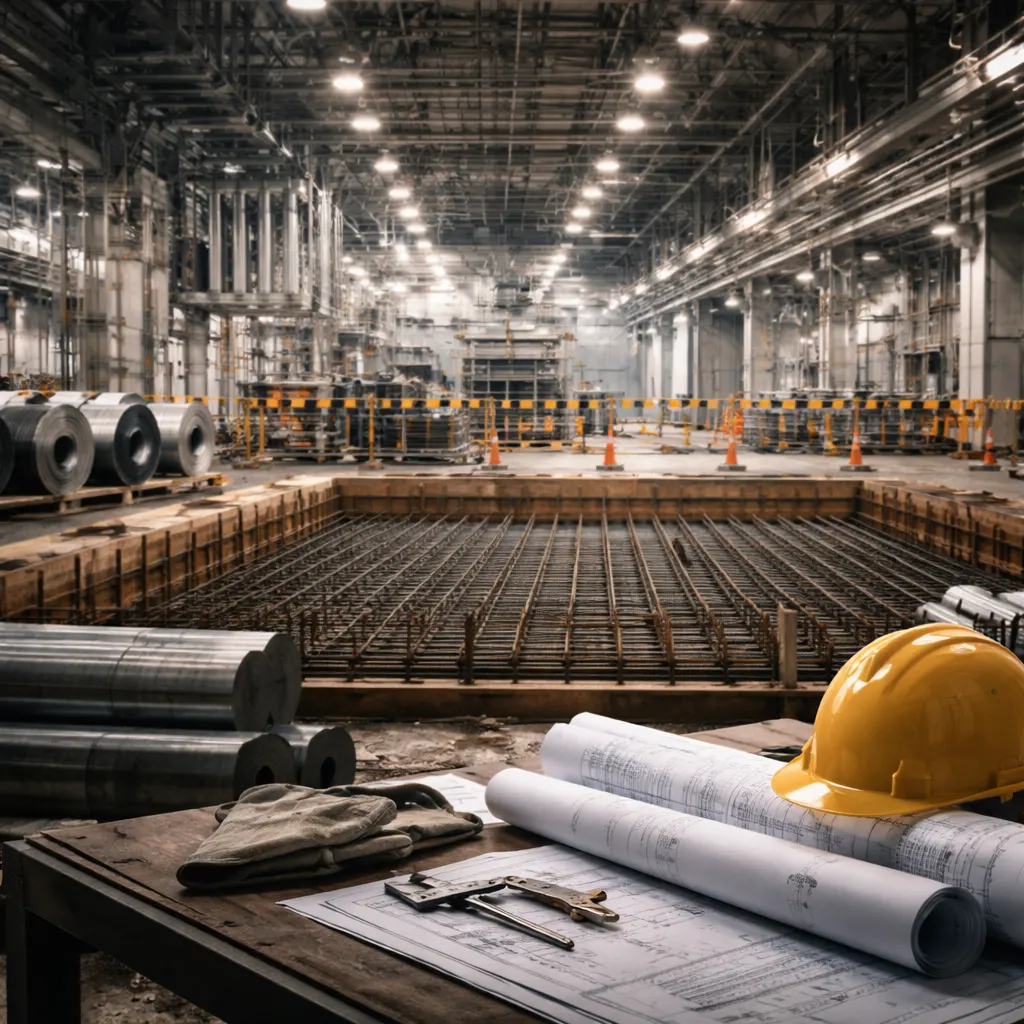
The tariff structure itself reveals the contradiction. The same proclamation carves out metal-intensive industrial and electrical-grid equipment, capping combined duties on those goods at 15 percent through the end of 2027—well below the 50 and 25 percent rates applied to other covered products. The report argues this special lower tier for exactly the equipment a domestic buildout requires amounts to "a tacit admission that these tariffs raise the cost of building American industrial capacity." Semiconductor fabrication plants are particularly metal-intensive structures, requiring heavy steel frames, extensive copper wiring, and large cooling systems, all of which now cost more to source.
Both the Biden and Trump administrations have made reshoring chip production a national priority, but current trade policy runs counter to that goal. The report concludes that while AI-driven demand is the primary force behind rising memory chip prices, the only lasting solution is expanded supply—yet federal tariffs delay the very capacity increases needed to ease the shortage. By taxing the construction materials required to build new fabrication facilities under the same legal authority invoked to protect the semiconductor industry, the policy creates a self-defeating cycle that keeps memory chip costs high and American production capacity limited.