
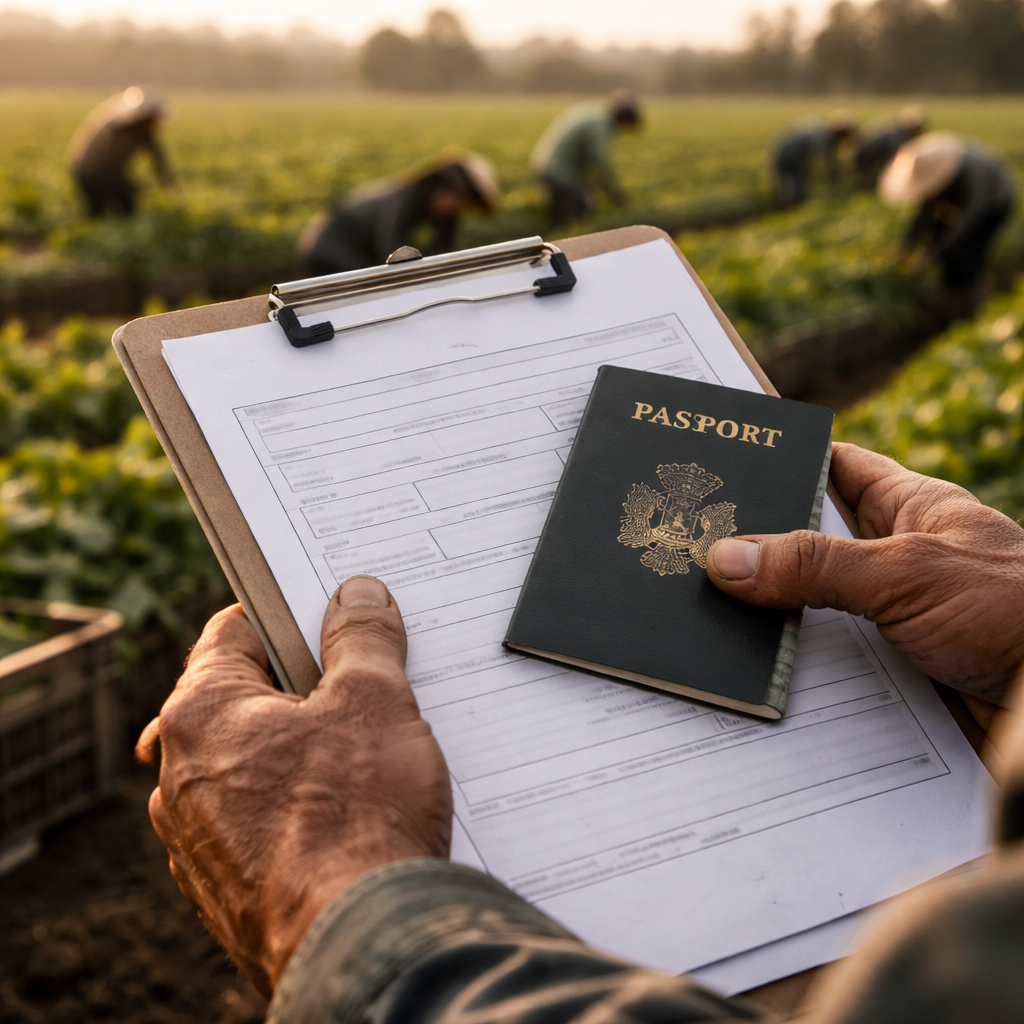
The H-2A farmworker visa program could be headed for its biggest overhaul in years, with proposed legislation allowing undocumented workers already in the United States to apply for legal work visas without offering a path to citizenship. The Securing Agriculture's Workforce Act (SAWA), currently championed by House Agriculture Chairman G.T. Thompson, represents what the Washington Policy Center calls a much-needed update to a system that "has grown well beyond its original purpose." Washington state is among the nation's top users of the H-2A program, averaging between 30,000 and 35,000 visa approvals annually.
Under current rules, H-2A farmworkers must be foreign nationals coming from abroad, limited to seasonal jobs lasting no more than 10 months. The SAWA would extend the working season for H-2A visa holders to 350 days—approximately 11.5 months—up from the current 10-month cap. The bill would also expand eligibility to include dairies and other livestock-based operations for the first time, and it would codify new Adverse Effect Wage Rate (AEWR) methodology into law. In Washington state, the adjusted AEWR has dropped so far that H-2A visa holders now earn a base rate equal to the state's minimum wage this year.
According to the Washington Policy Center report, the single-largest change in SAWA is "the allowance for undocumented workers already in the United States to seek visa protection through the H-2A program to work legally in the U.S." The bill would require undocumented workers seeking a visa to pass a background check and sit for an in-person interview before approval, and they would have to be currently employed in agriculture to qualify. The report notes this departure from previous H-2A revisions is significant because "it does not provide a citizenship opportunity for undocumented workers." The report adds that by allowing undocumented workers to apply for H-2A visas, "all the risk is removed for both parties"—eliminating the threat of hefty fines for employers and deportation for workers.
The longer contract period and expanded livestock coverage would help agricultural employers fill year-round positions that local workforces may not be available to handle. The report explains that with the inclusion of dairies and livestock operations, the 350-day contract allows agricultural employers to "add H-2A visa holders to rotations in calving, weaning, shepherding, or other livestock-related tasks rather than relying solely on a local workforce that may not exist or be readily available." The codification of the new AEWR methodology addresses what the report describes as a housing premium removed from overall H-2A earnings because visa holders don't pay for housing while working in the U.S. The report states that undocumented workers currently "pose a risk to employers because employers can incur hefty fines for knowingly hiring them," while also providing an answer to labor activists who have argued that a local, undocumented workforce is available.
The Washington Policy Center calls the H-2A program "a cumbersome but necessary tool" and says the SAWA would provide "much-needed updates, clarifications, and changes" to the system. The report concludes that "when good agricultural policy is proposed, the least that can be done is to support it with all our might." If the bill moves forward in the House, it would represent the most significant shift in H-2A policy in years—offering legal work status to an existing undocumented agricultural workforce while extending protections and flexibility for employers without opening a pathway to permanent residency.