
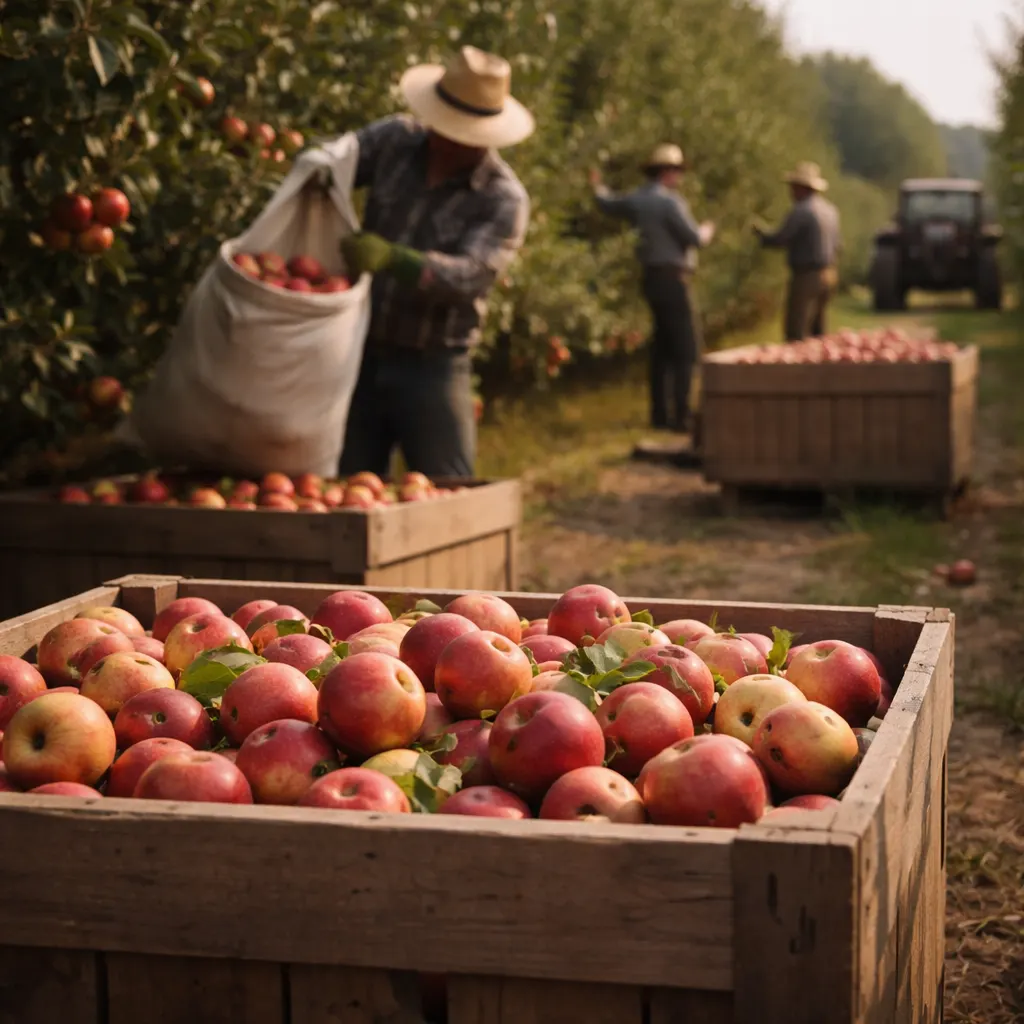
Washington state jumped from fifth to third in the nation in H-2A visa certifications for the first half of this year, according to new data announced by the Washington Policy Center based on American Farm Bureau Federation numbers released earlier this summer. Trailing only Florida and Georgia, Washington hired 25,368 farmworkers through the foreign visa program in the first six months of the year. The increase reflects what the report calls a perennial labor shortage continuing across the state's agricultural sector.
The 25,368 workers hired through June represents about 9,000 fewer than the total number Washington hired for all of 2025, the report notes. The rise in H-2A hires follows a nationwide trend showing a continued lack of farm labor. In 2024, just 182 people applied for 415,000 seasonal farm jobs across the country, making participation in the H-2A program necessary for many growers. The H-2A farmworker visa program allows farmers across the United States to hire people from outside the country to legally work here for up to 10 months at a time after a local labor shortage has been established.
The report highlights that Congress announced reforms to the federal H-2A program were on the horizon, nearly coinciding with the hiring data release. The Securing Agriculture's Workforce Act was released in June with proposed updates including removing the requirement that work must be seasonal, clarifying that "temporary" relates to contract length rather than the nature of the work, and transferring authority to define agricultural labor from the Secretary of Labor to the Secretary of Agriculture. According to the report, the act also proposes "limiting disruptions to the food supply by providing an opportunity for existing unauthorized agricultural workers to gain access to the program" if they meet requirements including background checks and in-person interviews, though a pathway to citizenship isn't included.
The report explains that the proposed reforms would address cost and efficiency barriers that currently make the program challenging for employers. The typical cost to an employer of applying to hire an H-2A visa worker runs $2,000 to $2,500 per worker, and the process involves federal and state paperwork redundancies. The report notes that in 2025, new methodology was adopted to set the Adverse Effect Wage Rate—which acts as the de facto minimum wage for H-2A visa holders—considering housing and transportation provided to H-2A workers. In Washington, this adjustment brought the rate even with the state minimum wage after being on average $2 to $3 per hour higher in recent years.
The report concludes that as use of the H-2A program continues to increase in Washington, proactive efforts to improve its function like the Securing Agriculture's Workforce Act are good policy solutions that benefit both employers and employees. Washington's utilization of the program "seems destined to grow as a local farm workforce continues to be a challenge," the authors write. If the state wants to remain competitive and renowned worldwide for apples, cherries, blueberries, and other hand-picked specialty crops, the report argues, it needs to welcome H-2A workers and any changes that make hiring them more efficient and cost-effective.