
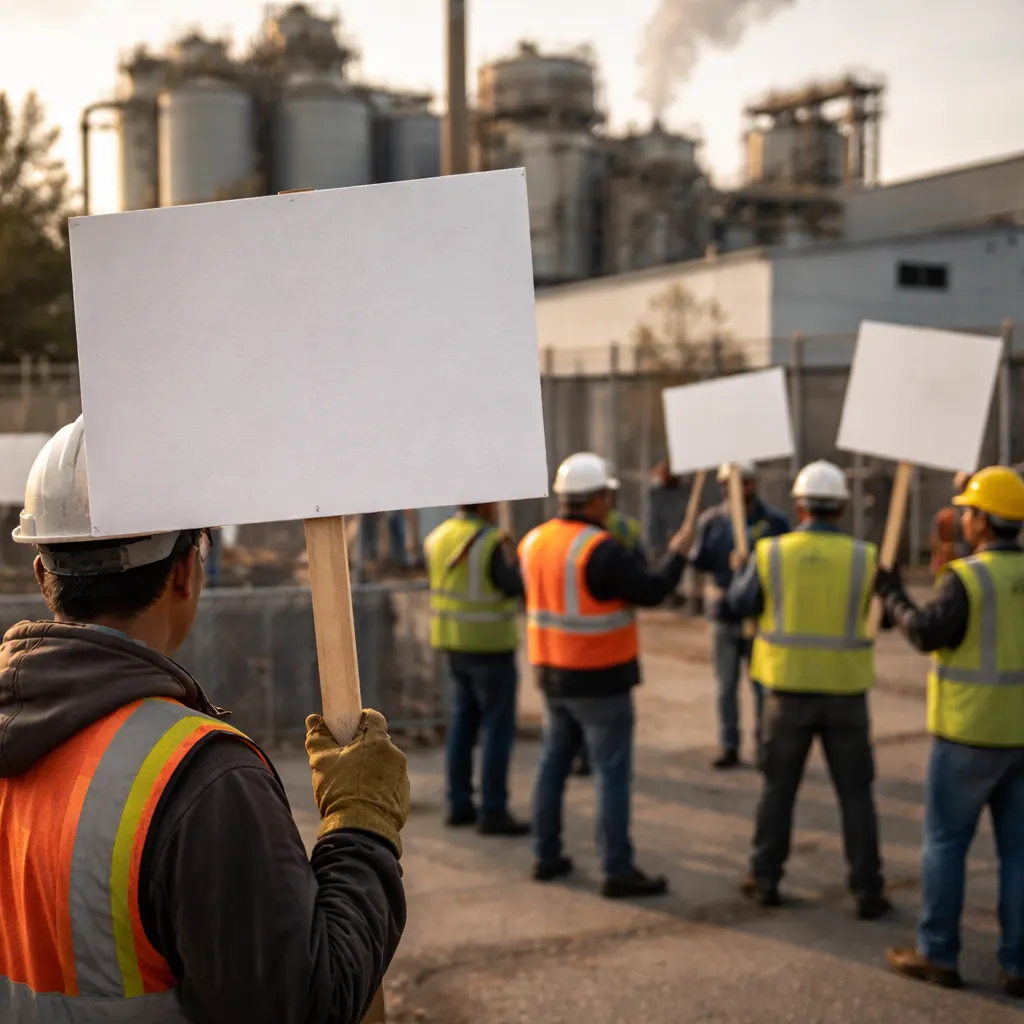
Workers at C&H Sugar's Crockett facility walked off the job in mid-June, marking the first strike by warehouse employees at the historic California sugar producer in decades. The walkout by International Longshore and Warehouse Union members, led by Warehouse Local 6, centers on disputes over healthcare, retiree benefits, sick leave, overtime rules, and union protections as negotiations continue for a new three-year contract, according to a FreightWaves report published Thursday. The strike represents a significant labor disruption at a facility that processes 25,000 truckloads of sugar annually and serves as a critical node in California's supply chain.
The strike involves approximately 90 to 100 unionized warehouse employees at the massive Bay Area complex, which receives rail service from Union Pacific. American Sugar Refining, C&H's parent company, says it offered a 20% wage increase, while the union has called the company's overall package unacceptable but hasn't disclosed its specific demands. Workers report the company proposed cutting five of 10 annual sick days, ending retiree medical benefits entirely, and changing overtime rules so premium pay would kick in only after 40 hours in a week rather than the current threshold. The historic Crockett plant famously figured in the "Sugar Wars" of the 1930s, and the last comparable shutdown occurred in 2003, when workers walked out in solidarity with sugar employees rather than over their own contract.
The union's stated position is that wages were negotiable but core rights and benefits were not, drawing a clear line between economic issues and what members view as fundamental protections. Some striking workers have complained about the company's use of replacement labor and attempts to get employees to cross the picket line, according to local reports cited in the article. The ILWU has maintained that the proposed cuts to sick leave, healthcare, and overtime protections represent an unacceptable erosion of decades-old standards, even as management frames the 20% wage boost as a significant concession.
The standoff highlights broader tensions in labor negotiations where companies offer substantial pay increases while simultaneously seeking to restructure benefits and work rules that unions consider non-negotiable. The strike's timing and scope underscore how disputes over healthcare and scheduling can escalate even when wage proposals appear generous on paper. For a facility generating 25,000 truckloads annually, any prolonged shutdown could ripple through regional sugar supply chains, particularly if the union's resolve holds firm against management pressure. The outcome at C&H may set a precedent for similar negotiations across California's industrial sector, where unions are increasingly drawing hard lines on benefit protections despite attractive wage offers.