
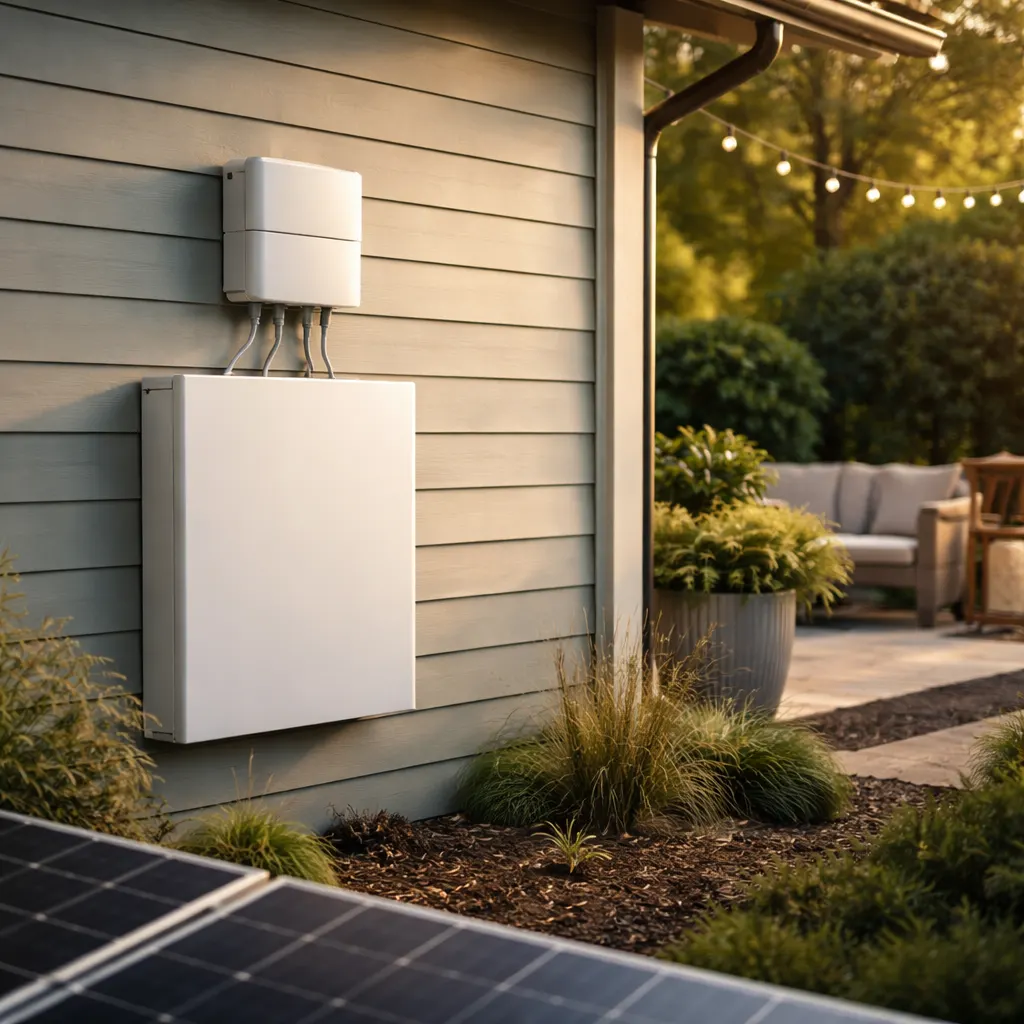
Homeowners can now get backup batteries installed in their homes for as little as $19 to $29 per month with no upfront cost, according to a March 2025 report from Utility Dive. The subscription model, driven by startups like Base Power and Palmetto, allows middle-class families to access clean backup power that would otherwise cost thousands of dollars to purchase outright. The companies retain ownership of the batteries and promise to operate and maintain them for up to 10 years while earning revenue by selling grid services back to utilities and energy markets.
Base Power, an Austin-based startup launched in 2023, charges Texas customers between $19 and $29 monthly for backup-only battery subscriptions, though it waives the fee entirely for some utility cooperative members. For customers on the Oncor and CenterPoint Energy transmission networks, Base offers a combined energy-and-backup plan with upfront payments ranging from $700 to $1,000 for one or two 39.2-kWh batteries, a monthly subscription under $30, and electricity rates below 14 cents per kilowatt-hour. In northern Illinois, Base Power's 24-month plan drops even lower: a $95 installation fee and peak energy priced under 8 cents per kWh, which the company says is at least 25% cheaper than Commonwealth Edison's standard rates. Palmetto's new Texas offering, internally called "Lonestar," carries an effective monthly cost of $25 to $50 after rebates, while Haven Energy's Massachusetts expansion targets customers in grid-constrained counties with one-time fees of a few hundred dollars and $29 monthly subscriptions.
The aggressive pricing works because small batteries can deliver value to both homeowners and the grid, according to distributed energy experts interviewed in the report. Will Kenworthy, senior Midwest regulatory director for Vote Solar, explained that a 2022 Illinois tariff change lets energy suppliers aggregate customer battery capacity to shrink their total net load obligations, potentially down to zero, cutting supply costs they pass on to subscribers. Kasim Khan, a senior research analyst at Wood Mackenzie, noted that distribution-connected battery clusters "could play a disproportionate role in terms of mitigating power price volatility" on transmission-constrained grids like PJM and the Electric Reliability Council of Texas. Jesse Brennan, Palmetto's director of business development for batteries, said pricing is generally lower in markets with mature virtual power plant programs, where homeowners with existing solar panels can upgrade to batteries and charge them during outages.
The report indicates that distributed battery subscriptions will likely expand across retail choice states in the PJM region, where capacity shortages have pushed ComEd supply rates up roughly 50% in 18 months. Base Power's co-founder Justin Lopas said Illinois is "our first state in the PJM region, but certainly not our last," citing market dynamics that let distributed storage ease grid strain while reducing customer bills. Palmetto's Brennan said the company is focused on markets where VPP program development is accelerating because that's where the value proposition is strongest for homeowners. As import tariffs and country-of-origin restrictions continue to push hardware costs higher, the subscription model offers a path for battery adoption to grow even as outright purchase prices remain out of reach for most families.