
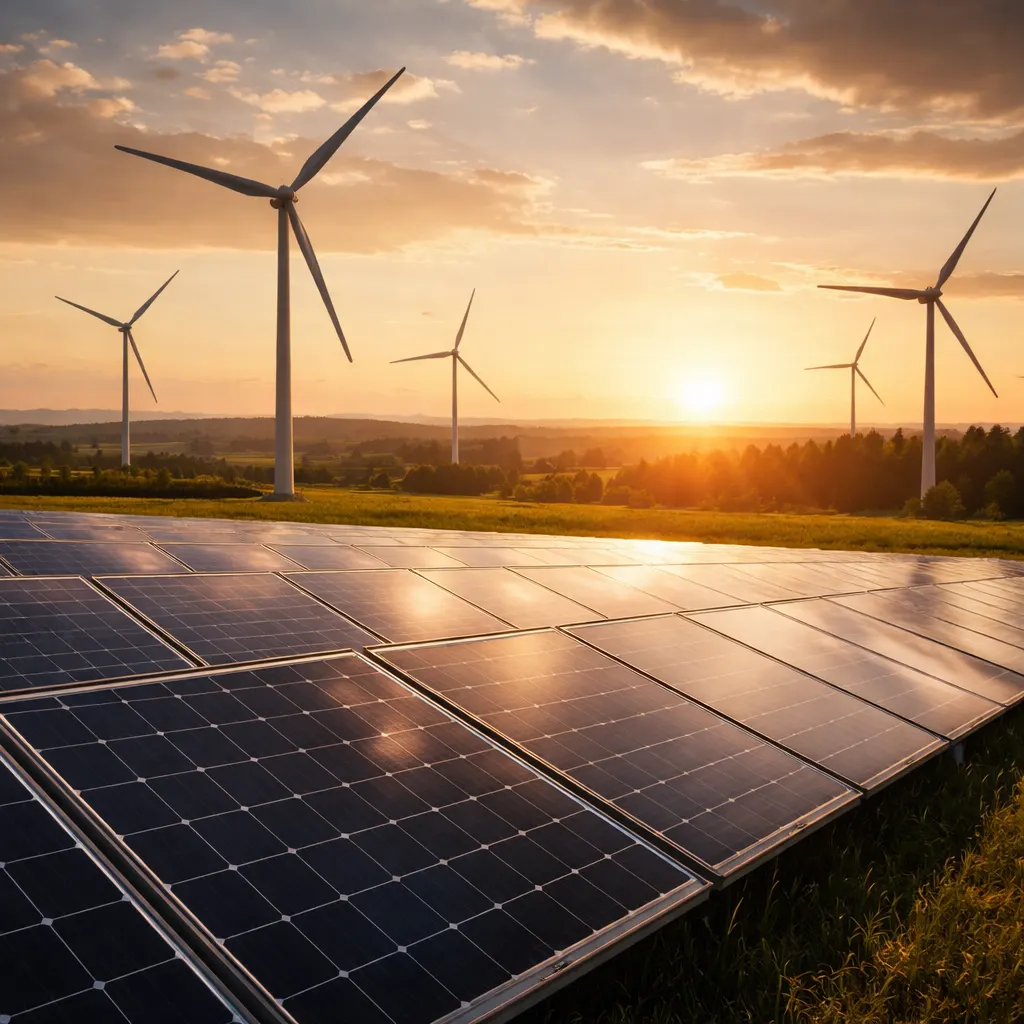
The United States consumed 8,698.6 trillion Btu of renewable energy in 2024, with electric power accounting for the largest share at 3,485.0 trillion Btu, according to new data released by the U.S. Energy Information Administration. The figures, published in the agency's State Energy Data System Table F47, break down renewable consumption across five sectors and all 50 states plus the District of Columbia. California led all states with 1,173.5 trillion Btu of total renewable energy use, while the District of Columbia consumed the least at just 2.9 trillion Btu.
The data shows sharp differences in how states use renewable energy across sectors. Industrial use totaled 2,383.2 trillion Btu nationally, making it the second-largest category after electric power, with Iowa leading all states at 248.9 trillion Btu driven largely by biofuels production. Transportation consumed 1,895.3 trillion Btu nationwide, concentrated heavily in California at 567.1 trillion Btu, more than triple the next-highest state. Residential use reached 667.9 trillion Btu, led by California's 112.3 trillion Btu, while commercial consumption totaled 267.2 trillion Btu across the nation. Texas ranked second overall with 844.3 trillion Btu, followed by Iowa at 440.4 trillion Btu and Washington at 383.9 trillion Btu.
The report notes that total renewable energy includes biodiesel, fuel ethanol, geothermal energy, hydroelectric power, renewable diesel, solar energy, wind energy, wood, biomass waste, and other biofuels. According to the EIA, there are no direct fuel costs for biofuels or noncombustible renewable energy, though the agency directs readers to separate wood and biomass waste data for renewable energy prices and expenditures. The U.S. total includes other biofuels not allocated to individual states, the report states.
The state-by-state breakdown reveals how geography and policy shape renewable energy use. States with major agricultural sectors like Iowa, Nebraska, and South Dakota show outsized industrial consumption, reflecting ethanol and biodiesel production from corn and soybeans. Western states including Washington, Oregon, and Idaho demonstrate high electric power renewable use, largely from hydroelectric dams along major river systems. California's dominance stems from its combination of solar installations, biofuel mandates requiring renewable diesel and ethanol blending, and extensive wind capacity. Meanwhile, fossil fuel-dependent states like Wyoming, West Virginia, and Alaska register among the lowest renewable consumption figures despite significant conventional energy production.
The data provides a baseline for tracking state progress toward renewable energy targets as federal tax credits for solar, wind, and biofuels remain in place through the end of the decade. States with legislative mandates for renewable portfolio standards can measure their consumption against these 2024 figures, while policymakers weighing new incentives now have sector-specific benchmarks. For a country still deriving most of its energy from fossil fuels, the 8,699 trillion Btu represents the current scope of renewable adoption—and the scale of the transition still ahead.