
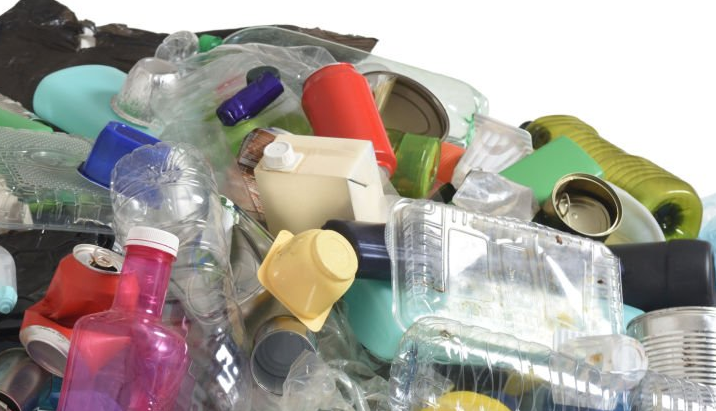
Seventeen state attorneys general are suing to block California's sweeping plastic packaging law, arguing the state is illegally regulating products nationwide, according to a new report from the Pacific Research Institute published this month. The lawsuit challenges the Plastic Pollution Prevention and Packaging Producer Responsibility Act, which went into effect on May 1 and requires that by 2032, every piece of single-use packaging and single-use plastic food service ware sold in California must be recyclable or compostable. Because companies typically don't create separate packaging for California versus the rest of the country, the law effectively forces national compliance with standards set by a single state.
The law, passed and signed in 2022, covers all single-use packaging and food service ware sold in the state, including items made in California and those imported from outside. Because California is a massive market, many companies use a single package design for all 50 states rather than producing different versions for California alone. The lawsuit argues the law violates the Constitution by burdening interstate commerce, restricting how businesses communicate costs to customers, and effectively forcing companies into a single state-approved producer organization. Texas's "Don't mess with Texas" anti-litter campaign, launched 40 years ago, reduced litter by almost 30% in its first year and is credited with a 72% reduction since then. The Keep America Beautiful program found a 54% decrease in roadside litter over the decade ending in 2020.
According to report author Kerry Jackson, the William Clement Fellow in California Reform at the Pacific Research Institute, "the 17 states and other critics argue that California's regulations have increasingly become national regulations." Jackson notes that "it's not the first time" California has effectively imposed rules beyond its borders, pointing to Proposition 12, which created stringent breeding rules for veal, pork and eggs and "effectively made the state an independent regulatory entity that has forced other states to comply with California's law if they wished to have access to California's markets." The report states that California's attorney general claims "we are currently living through a plastic waste and pollution crisis," while lawmakers have kept the governor busy signing legislation targeting a wide array of plastic items.
The report explains that consumers may never notice the legal battle itself, but they could see fewer packaging choices, higher prices, or redesigned products as companies adapt to California's rules. Jackson argues that "the real question isn't whether plastic litter is a problem. It is. The question is whether bans and mandates are the best solution," suggesting that public anti-litter campaigns have proven surprisingly effective as alternatives. The lawsuit's central claim is that while California has every right to regulate products within its borders, whether it has the right to reshape markets across the country remains an open question. The case forces courts to decide where state regulatory power ends and federal commerce protections begin, with implications for how any single state can influence national product standards.
The report concludes that Sacramento lawmakers "like to make splashy political statements with sweeping bills, and if the policies extend beyond the state lines and affect people who have no vote in California elections, then so much the better." But this time, 17 state attorneys general are pushing back with a constitutional challenge. Whether California can continue using its market size to set de facto national standards now rests with the courts, a decision that will determine if other states must either comply with California's environmental mandates or lose access to the nation's largest state economy.