
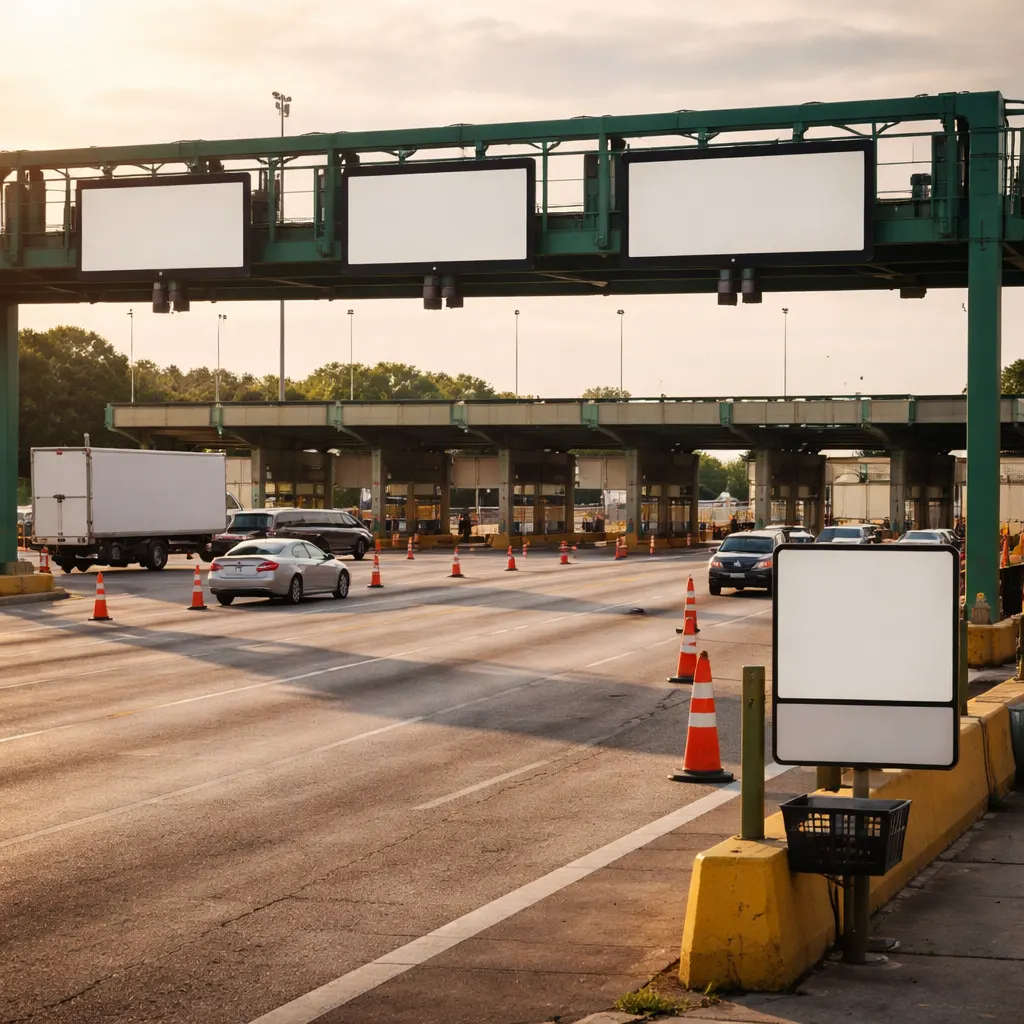
The Illinois Tollway board could approve the largest increase in passenger tolls in state history next month, raising rates by about 45 cents per toll starting Jan. 1, according to a report from the Illinois Policy Institute. The proposal also includes automatic toll increases every two years starting in 2029, tied to inflation, that wouldn't require board approval. Commercial tolls would jump 30% under the plan, which comes for a tollway system that was originally supposed to become free by 1973—more than 50 years ago.
From 1973 through 2025, drivers paid at least $28 billion in Illinois tolls, the report finds. The proposed hike comes when the system is taking in more toll revenue than ever, according to the most recently available data. Since 1973, the agency has collected more in tolls each year than it needed to operate and maintain the system. Commercial toll prices are already at their highest level on record, and the new increases would drive up not only the cost of travel but also the cost of everyday goods transported in the northern part of the state.
The toll hike is part of the tollway's $26.5 billion Driving Connections capital plan, estimated to take 15 years to complete, though the hikes will continue long after the project is done. Former Illinois Tollway Director and state Sen. Bill Morris questioned whether the capital plan justified the hikes or the hikes justified the plan, telling the Daily Herald: "First of all, it appears they decided to raise tolls, and then they threw this together quickly for justification." Illinois House Speaker Chris Welch said the potential toll hike was the price for labor union support of the Chicago-area mass transit bailout last year, explaining that unions wanted "to point to something that will help keep working people working and keep roads getting repaired."
The proposed automatic increases allow the tollway board to avoid justifying them to voters, similar to automatic inflationary adjustments to the gas tax introduced by Gov. J.B. Pritzker in his 2019 Rebuild Illinois plan. Pritzker appoints the tollway board members and is himself an ex-officio member, as is the Pritzker-appointed state secretary of transportation. While Pritzker recently suggested the hikes are necessary to maintain infrastructure, the report notes the agency has consistently taken in more revenue than needed for operations and maintenance. Morris's concern about whether some "projects" are maintenance rather than capital projects "in the historic sense" raises questions about whether the $26.5 billion plan genuinely requires toll increases of this magnitude, or whether the increases were predetermined and the plan assembled to justify them.
By law, the tollway board must hold public meetings in each affected county before voting on an increase. Those meetings are scheduled throughout July, with the next regular board meeting set for Aug. 19, when the increase could be approved. Any changes to tolls must be publicized at least 30 days before they take effect. If approved, the automatic increases would lock in toll hikes every two years without further public input or board votes, shifting the cost of infrastructure onto drivers for decades to come—despite the tollway already collecting record revenue.