
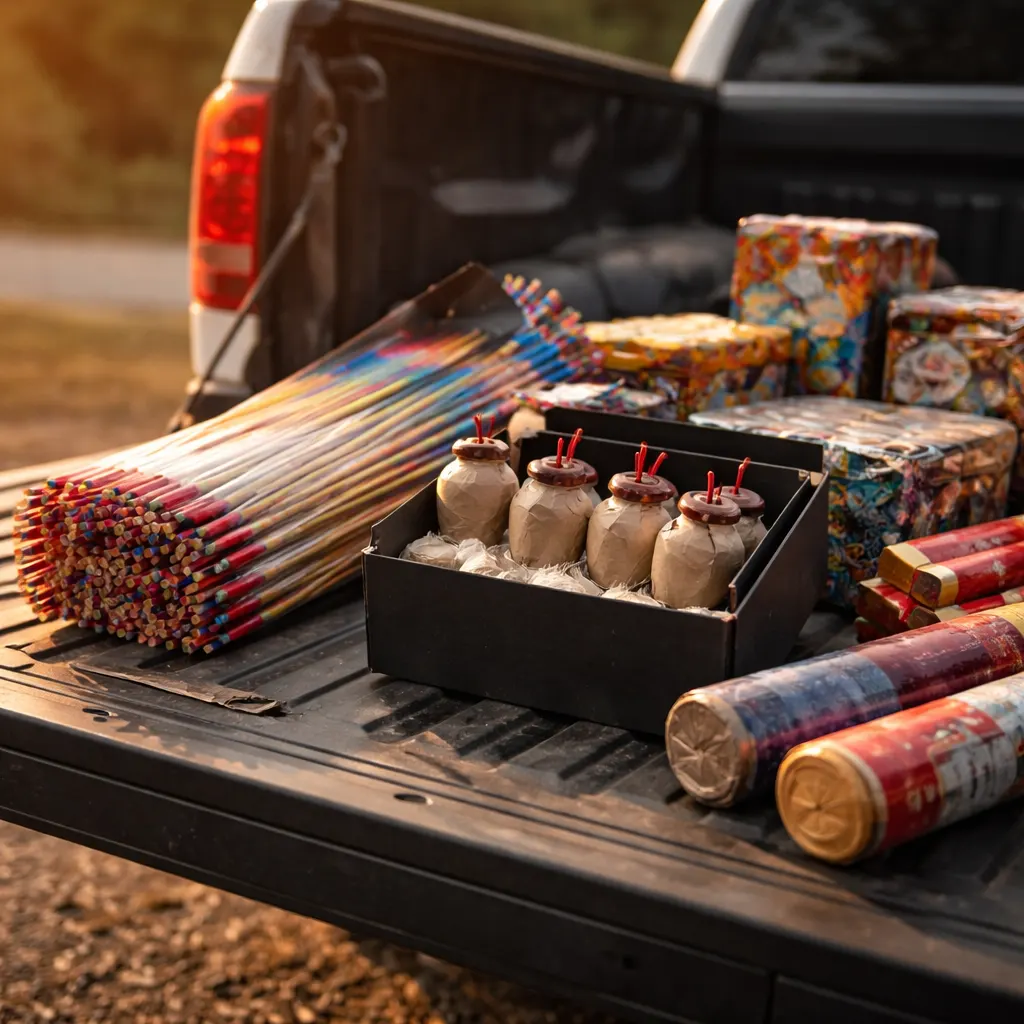
Illinois is one of only three states that bans fireworks, leaving it an outlier as 47 other states permit them, according to a June 26, 2026 report from the Illinois Policy Institute. The state has maintained its prohibition for 84 years through the Illinois Pyrotechnic Act, passed in 1942, which bans the use, transportation and sale of fireworks beyond small novelties like sparklers. The outdated law continues even as the national fireworks industry has grown to billions of dollars and injury rates have sharply declined.
Fireworks sales more than doubled between 2000 and 2025, climbing from 152.6 million pounds to 322.4 million pounds, according to the American Pyrotechnics Association. During that same period, the injury rate plummeted from 7.2 injuries per 100,000 pounds sold to just 3.8 injuries per 100,000 pounds. Indiana, one of Illinois' neighbors that permits fireworks, brings in an estimated $2.5 million a year in tax revenue from fireworks sales. Violating Illinois' fireworks law is a Class A misdemeanor, carrying possible fines up to $2,500 and jail time.
The report states that "the Illinois sales ban directly benefits neighboring states" and notes that "with rising popularity, the firework injury rate has decreased, making the 1942 Illinois law oppressive and unnecessary." The authors write that "the Illinois ban seeks to protect people from injury, but as firework sales have increased, the injury rate has significantly decreased." The report concludes that "on a day centered around freedom, Illinoisians should have a right given to citizens of almost all other states."
The disconnect between Illinois' prohibition and the improving safety record reflects how the law hasn't kept pace with changes in the fireworks industry. As sales doubled nationwide, manufacturers improved safety standards and consumer education expanded, driving injury rates down by nearly half. Meanwhile, Illinois forfeits millions in potential tax revenue that flows instead to border states like Indiana, where Illinois residents can legally purchase fireworks. The 1942 law was designed to prevent injuries that are now occurring at record-low rates per pound sold, raising questions about whether the public safety justification still holds. What made sense eight decades ago doesn't match today's data, leaving Illinois residents without access to products that 94% of states consider safe enough to permit.