
Mississippi has seen three disaster declarations so far in 2026, already surpassing last year's total, according to a report updated July 8, 2026 by USAFacts based on Federal Emergency Management Agency data. The report finds that Mississippi averages two disaster declarations per year based on the most recent five full years of federal data. A disaster declaration isn't just a label for a bad event — it's a formal request for federal aid that gets triggered when state, local, or tribal resources can't handle a crisis on their own.
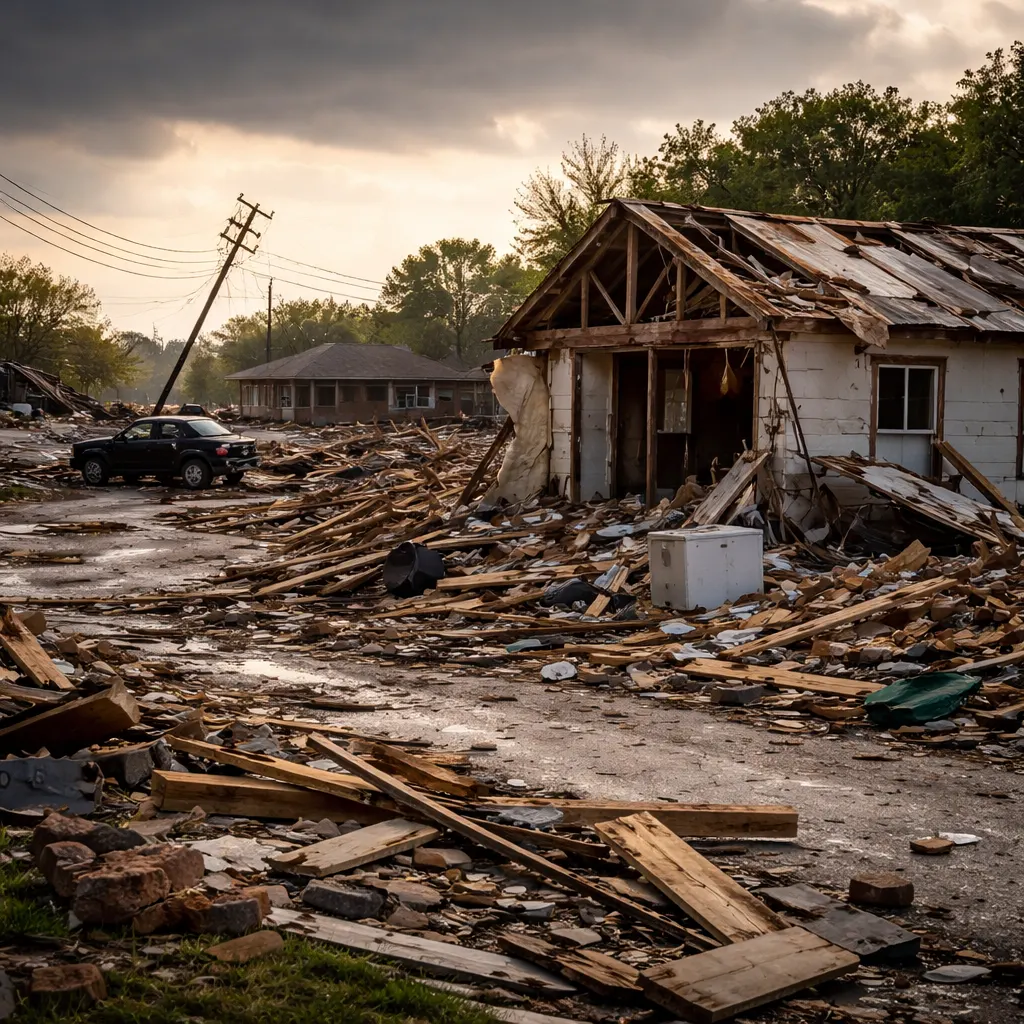
The data shows sharp variation year to year: 2026 has already logged three declarations as of June, while 2025 had only one. Since 1980, Mississippi has recorded 98 total disaster declarations across eight different disaster categories. Severe storms dominate the state's disaster profile, accounting for 39 declarations — or 48.8% — of all disasters since 1980, making them far and away the most common type. In just the last five years, severe storms made up five of the state's 11 total declarations. The most recent declarations include severe storms with straight-line winds, tornadoes, and flooding on June 30, 2026, and two severe winter storms in February and January 2026.
The report explains that disaster declarations vary based on the type and severity of events, whether the president approves federal assistance requests, and other factors. According to the report, a major disaster declaration covers hurricanes, tornadoes, snowstorms, floods, earthquakes, wildfires, volcanic eruptions, landslides, mudslides, droughts, explosions, and other severe natural events that typically cause widespread damage requiring long-term recovery. Emergency declarations, by contrast, apply when federal assistance is needed to protect lives, property, or public health and safety, with aid capped at $5 million for urgent crises like public health emergencies, terrorist attacks, or power outages.
The mechanics behind these numbers reveal how the federal disaster system works. The president must approve all declarations, and the type of declaration determines what kind of federal aid becomes available. In most cases, governors submit the requests, though tribal nations can file independently. A third category — fire management declarations — uses an expedited process where decisions are usually made within hours rather than the longer timelines required for other disaster types. The report notes that states can rack up multiple declarations for a single disaster event, including separate state and tribal declarations as well as overlapping disaster and emergency declarations. Mississippi's consistent pattern of severe storm declarations reflects the state's geographic vulnerability to weather systems that spawn tornadoes, straight-line winds, and flooding — events that repeatedly overwhelm local response capacity and trigger federal intervention.