
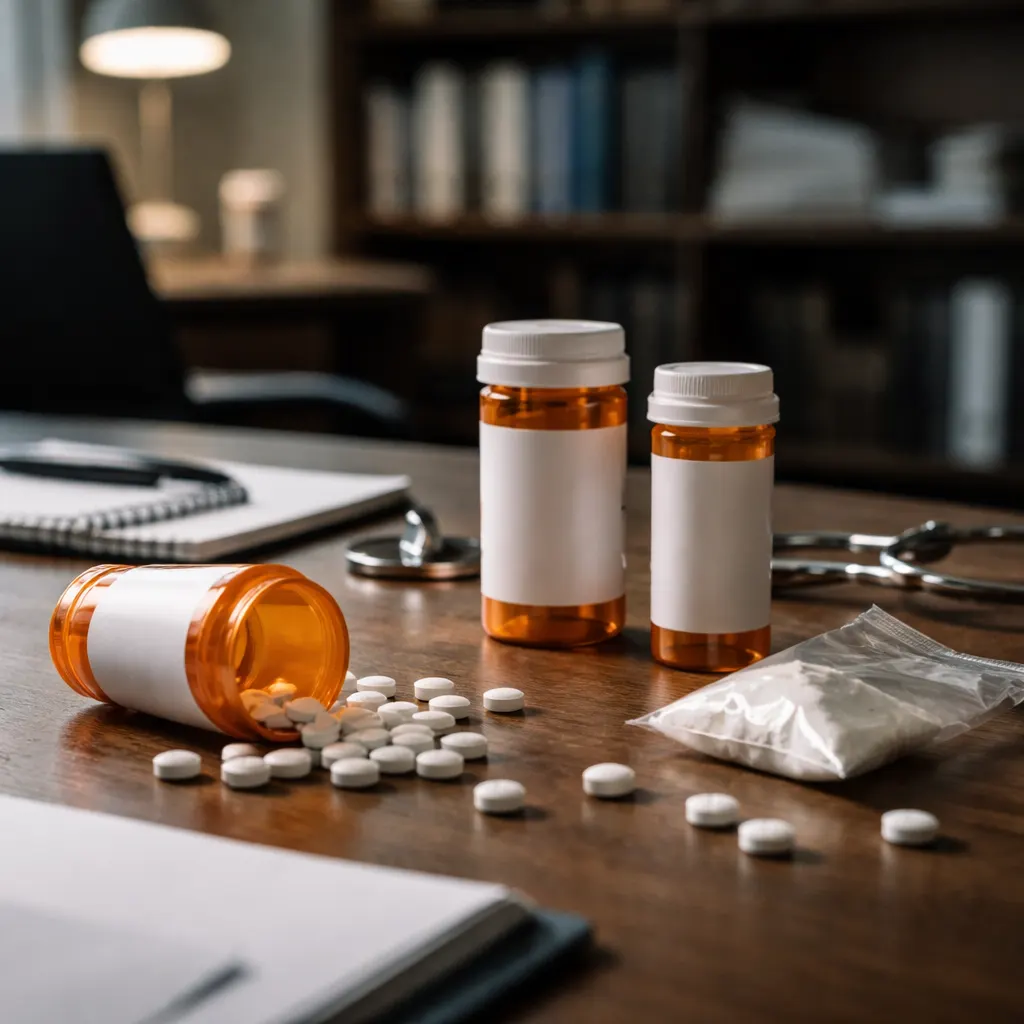
In America, it's easier to get illegal opioids than to access proven medications to treat opioid addiction, according to a June 24, 2026 commentary published by the R Street Institute. The report highlights a troubling paradox: while nearly 8 million people in the United States misuse opioids each year, only 17 percent of people with opioid use disorder—about 816,000 individuals—received medications for opioid use disorder (MOUD) in 2024. Authors Jessica Shortall and Chelsea Boyd document how regulatory barriers have made the two most effective MOUD medications, buprenorphine and methadone, particularly hard to access even as illicit opioids can be purchased 24/7 via the internet or in person.
The report details specific obstacles facing patients seeking treatment. For buprenorphine, fewer than 40 percent of U.S. pharmacies regularly dispensed the medication in 2023. Patients without insurance may find the medication cost-prohibitive, and many pharmacies are hesitant to stock it due to stigma around addiction or concern they might trigger a DEA investigation. For methadone, patients face even stricter access rules: some must appear in person up to six days a week to take their medication at an opioid treatment program (OTP), with the nationwide average commute to an OTP being 45 minutes each way. The report notes that fewer than 50 percent of treatment facilities currently offer MOUD, despite medications offering better health and social outcomes than non-medication-assisted recovery pathways.
The report profiles two families whose experiences illustrate these access barriers. One mother, Sara, describes how her son Aiden requested MOUD at multiple treatment facilities but none offered it. When he finally found a prescribing doctor, he faced a three-month wait for an appointment and died of an overdose a month before that appointment. "Aiden spent a year and a half trying to dig himself out of the darkness," Sara told the authors. "There was medication that he was begging for, and we just couldn't get it." Another mother, Kathleen, whose daughter Molly eventually succeeded in recovery after 20 years of effort, explained that "while buprenorphine is lifesaving for many people, some individuals respond better to methadone. A one-medication approach does not fit everyone." The report emphasizes this is true for any health condition, as different medications work better for different patients at different times in their lives.
The authors explain that regulatory hurdles have created these access problems. Until December 2022, doctors had to obtain a special waiver from the Drug Enforcement Administration—including patient limits and additional mandatory training—to prescribe buprenorphine, creating shortages that made finding a provider extremely challenging. Though President Joe Biden signed legislation removing the waiver requirement, barriers persist because state regulations sometimes exceed federal requirements. Methadone faces uniquely strict regulations under which patients can only access it through an OTP, and some patients can "earn" take-home doses but must return to the OTP for refills. The report quotes the deputy director of the National Institute on Drug Abuse from 2024, who decried that "people are dying of a drug overdose … while safe and effective medicines to treat opioid use disorder are sitting on the shelf unused."
R Street argues that methadone should be prescribable outside of OTPs, all treatment facilities should offer MOUD, the DEA should clarify its policies so pharmacists aren't unduly flagged for dispensing buprenorphine, and Medicaid and Medicare coverage should be comprehensive with transparent reimbursement. The report concludes that if the goal is to help people recover from addiction and lead healthy, stable lives, then the best treatment options must be more accessible than the illicit drugs themselves.