
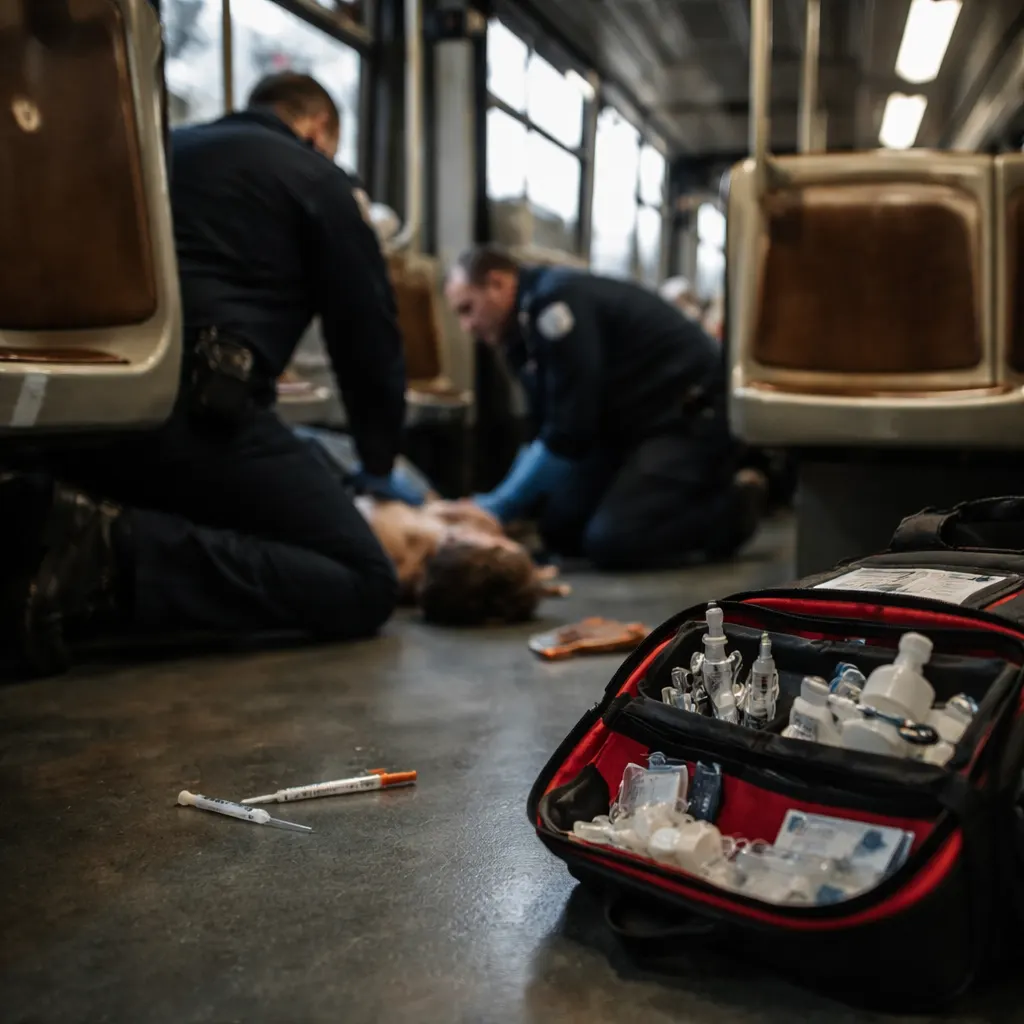
Public transit systems across the United States are grappling with a mounting overdose crisis, with Chicago recording 158 opioid-related overdose deaths on transit property between 2018 and 2022, New York City documenting 79 fatal overdoses in the subway system in 2022 alone, and Los Angeles Metro recording 19 fatal overdoses within just the first few months of 2023. A new commentary published June 23, 2026, by Reason Foundation argues that transit agencies are being forced to manage a public health crisis they were never designed to handle, placing unsustainable pressure on workers and exposing the need for a model that combines targeted enforcement, public health expertise, and dedicated safety resources.
The data reveals how drug-related incidents have created a negative feedback loop within transit systems. LA Metro data shows that 94% of all arrests on the system and 97% of violent arrests involved riders who didn't pay their fare. After Denver Union Station implemented environmental improvements—including modified layouts, improved lighting, expanded camera coverage, and restricted access to isolated areas—calls for security-related services dropped by 60%. San Francisco's BART system replaced older waist-high barriers with new six-foot-tall fare gates, a change projected to raise revenue by $10 million per year while cutting crime by 41% in 2025 and reducing station cleaning time by 1,000 hours.
The commentary describes what's happened to transit workers as "role creep" or "mission creep," where people hired to operate public transit are increasingly expected to serve as fare enforcers, social workers, and overdose first responders. According to the authors, Layal Bou Harfouch and Jay Derr, the tension sits at the center of a 2025 federal Transportation Research Board report that reviewed five of the largest U.S. transit agencies and found that harm reduction measures like naloxone administration are effective, yet "may present challenges in ensuring a safe and orderly transit environment for all users." The commentary argues that this tradeoff is worth taking seriously but isn't a reason to abandon either goal.
The analysis points to several factors driving the crisis. Visible drug use has lowered public confidence and perceived safety, causing riders to avoid certain times and routes or skip public transit altogether. Lower ridership leads to less fare revenue, which reduces the agency's capacity to maintain staffing, cleanliness, safety infrastructure, and service reliability. As service quality declines and workforce stress worsens, more riders disengage from the system, creating additional operational strain and compounding existing workforce shortages. Each overdose response carries costs, takes time, and exposes agencies to liability—routes are delayed, operators are pulled from their primary responsibilities, and other passengers are affected. The commentary notes that transit workers now face rapid decision-making, de-escalation attempts, overdose responses with naloxone administration, and coordination with emergency services, then must manage the confusion, agitation, or acute withdrawal that can turn volatile onboard or in a station.
The authors recommend that transit agencies build specialized response models with clearly divided responsibilities. Several systems have already started: LA Metro established one of the largest "ambassador" programs in the country, with uniformed employees who aren't armed law enforcement but focus on visibility, customer assistance, de-escalation, wellness checks, and connecting vulnerable riders with services. Chicago Transit Authority partnered with the city's public health department to install vending machines that distribute naloxone and fentanyl test strips in transit settings. The commentary also calls for better data collection, noting that many agencies still lack consistent tracking for overdoses, repeat incidents, response times, outreach outcomes, or operational impact on staffing and service reliability. The bottom line: transit systems can't solve the overdose crisis alone, but they can't keep functioning as improvised public health systems without clearer operational structure, better coordination, and responses that protect riders, support workers, maintain revenue, and offer realistic pathways toward treatment for people struggling with addiction.